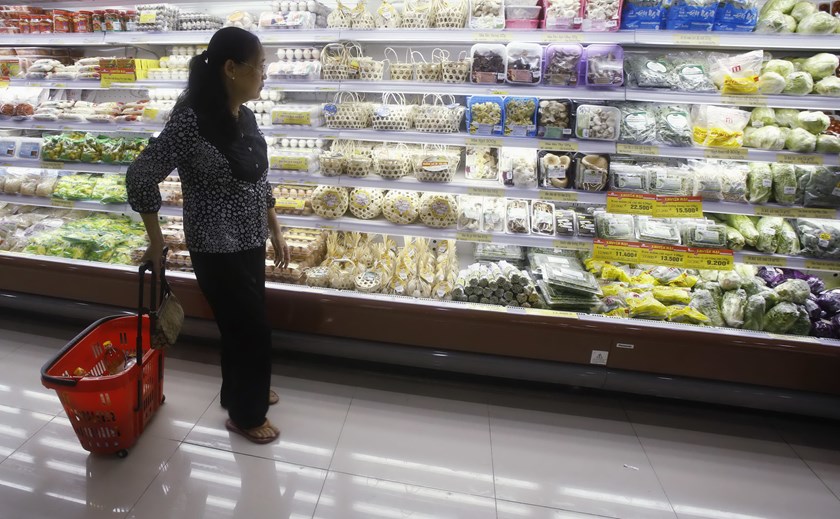
Vietnam's food trade industry is one of the most dynamic sectors in the country. Fueled by an expanding middle class, rising disposable incomes, and shifting consumer preferences, the increasing demand for high-quality food products is undeniable. From bustling markets in Ho Chi Minh City to modern supermarkets in other major cities, the opportunity for both […]
Vietnam's food trade industry is one of the most dynamic sectors in the country. Fueled by an expanding middle class, rising disposable incomes, and shifting consumer preferences, the increasing demand for high-quality food products is undeniable. From bustling markets in Ho Chi Minh City to modern supermarkets in other major cities, the opportunity for both […]
Samsung is currently the largest enterprise in Vietnam in terms of revenue, even bigger than PetroVietnam. In total, this group is employing more than 170,000 workers in Vietnam. The enterprise’s production makes Vietnam the second largest smartphone exporter in the world, after China.
However, there are mixed opinions on Samsung’s operation in Vietnam. Are the tax incentives given by the government justified when taking the benefits of Samsung into consideration? Is it really beneficial to have Samsung in Vietnam?
“Favorable tax incentive” to MNC - a case study of Samsung
Tax contribution and tax incentives
Among its factories in Vietnam, the two units that contribute the most to Samsung's revenue are Samsung Electronics Vietnam in Bac Ninh (SEV) and Samsung Electronics Vietnam Thai Nguyen (SEVT). The profitability of these two factories is high, ROE of SEV Bac Ninh is 16% while that of SEV Thai Nguyen is 20%; ROA is also at 14% and 17% respectively.
According to the Ministry of Finance, Samsung’s net contribution is higher than the industry average, and accounts for a big portion of the state budget. Even though the revenue is high, the tax expense is ranging around 5-7%, much lower than the average corporate income tax rate of 20% in Vietnam.
Samsung has been granted many tax incentives, infrastructure leasing, and other benefits by the Government and localities to encourage continuous investment into the country. There was even a time when this Korean corporation asked for special tax incentives beyond the frame.
Some tax incentives that Samsung Vietnam enjoys:
Samsung enjoys the highest tax incentives for investors in Vietnam with the corporate income tax rate of 10% for the entire project implementation process. On top of that, the enterprise has the first 4 years of tax exemption and the next 9 years with a 50%.
For the 2 manufacturing projects in Bac Ninh and Thai Nguyen, the corporate income tax rate will be 10% for 30 years from the first year the company has revenue from the project.
Exempt from income tax for 4 years from the first year of taxable income and reduce 50% of payable tax for the next 9 years. Samsung has proposed to extend the 50% tax reduction period to 12 years (it is currently unclear whether the extension is approved).
Many people question the level of preferential policies that the government gives to Samsung. However, it is important to note that these policies serve to attract international investors to Vietnam, and are not only applicable to Samsung. All businesses that meet the government requirements will receive these benefits when investing in Vietnam, according to Government Decision 53/2004/QĐ-TTg.
Prior to 2021, the mechanism behind Vietnam investment incentive is based on 3 factors:
By industry ( high-tech industry and high-tech agriculture receive the biggest incentives)
By administrative area (projects in poor areas, as well as in economic zones/hi-tech parks receive bigger incentives)
By size of registered capital (larger projects enjoy bigger incentives)
Therefore, it is fair to say that there is no discrimination between FDI (especially MNCs) and domestic enterprises. The most notable example is Vinfast, who enjoys significant tax incentives for its factory project. Currently, the Government has also introduced more transparent standards for FDI projects as well as standards for tax incentives to avoid cases where FDI projects exploit labor, land and capital without contributing anything to the domestic market.
When talking to Investment Newspaper, Prof. Nguyen Mai - former Vice Chairman of the State Committee for Cooperation and Investment - has repeatedly affirmed that it is not correct to just look at the tax amount paid by Samsung and say that it has contributed little to nothing to the business and socio-economic conditions of Vietnam. Because in reality, the spillover effects that Samsung has brought to Vietnam's economy and society are very large. These effects are in the form of work opportunities, infrastructures, technology transfer, attraction of other FDIs into the country, among others.
Economic reform in local communities - a case study of Samsung in Thai Nguyen and Bac Ninh
According to Prof. Nguyen Mai, since Samsung, the socio-economic conditions of Thai Nguyen and Bac Ninh have changed. Samsung accounts for 99% of Thai Nguyen's export turnover and 75% of Bac Ninh's export turnover. Not to mention other spillover effects on local people's lives, on transportation services for Samsung, on economic restructuring, and on the cities’ attractiveness to foreign investors.
Thai Nguyen
In the case of Samsung Electronics Thai Nguyen, in the period from 2013 to 2020, a total of 92 Korean enterprises who are Samsung's vendors came to Thai Nguyen to shorten the supply chain, creating an unprecedented flow of FDI capital.
Samsung and its auxiliary businesses in Thai Nguyen have generated outstanding growth in 2014 and 2015. In 2014, GRDP growth rate was at 29.6%, which increased to 33.2% in 2015. This contribution helps the province exceed the economic growth target in the 2011-2015 period, reaching 15.9% on average in 5 years. Particularly, Samsung's budget payment in Thai Nguyen province from 2013 to the end of May 2020 reached 24 trillion VND, accounting for 32% of the province's total budget revenue.
Samsung has actively contributed to creating jobs for many local workers and neighboring provinces. In 2020, over 65,491 people are working in the production center in Thai Nguyen, of which more than 1/3 are Thai Nguyen workers, with an average income of 8.5 million VND/person/month.
Bac Ninh
Of the total $19 billion invested by Samsung in Vietnam so far, the investment capital in Bac Ninh accounts for nearly half, reaching more than $9.3 billion.
Most recently, Samsung participated in the signing of a 3-party cooperation agreement between the Ministry of Industry and Trade, Bac Ninh province and Samsung to provide consulting support for local businesses, helping to improve competitiveness. Potential businesses have the opportunity to not only participate in the supply for Samsung, but also for many other multinational companies.
Samsung also contributed greatly to the spectacular change in Bac Ninh. In 2005, Bac Ninh's GRDP was 1,504 billion VND, but by 2021, the scale of GRDP has increased to more than 227,000 billion VND, ranking 8th among 63 provinces in the country. Even though the area of Bac Ninh is the smallest, with a population of about 1.4 million people. The average income of Bac Ninh people has exceeded 6,700 USD, ranking fourth in the country.
In terms of industrial scale, GRDP, per capita income, Bac Ninh is considered one of the fastest growing provinces of Vietnam. Despite the COVID-19 epidemic, the industrial production value in 2021 reached nearly 1.5 million billion VND, surpassing Ho Chi Minh City, Binh Duong, and Dong Nai as the highest in Vietnam.
What next to attract more MNCs investors ?
While foreign investors acknowledge the high level of investment potential in Vietnam, they also recognize the drawbacks, and have voiced their concern. Mr. Kim Yong Seok, Director of External Relations at Samsung shared that Vietnam is currently too reliant on tax incentives to attract foreign investors. With the announcement of the global minimum tax rate (proposed at 15%) by OECD, tax incentives offered by Vietnam will no longer work.
Another area of concern for investors is the inadequate infrastructure connecting important economic regions in the country. As a result, enterprises’ logistics works are still slow and costly.
As it stands, MNCs can’t rely on domestic suppliers for important parts/components in their production chain. In the case of Samsung, there are 50 domestic suppliers in their production chain. However, most of them are foreign suppliers establishing a domestic entity, and not purely domestic. This is because domestic suppliers’ capabilities are yet to meet the high standard set by MNCs. To bridge this gap, the government should find solutions to increase domestic suppliers’ capabilities. One way to do this is through policies/incentives that encourage the technology transfer between foreign MNCs and domestic enterprises.
When domestic enterprises become competitive in the supply chain of current MNCs, it would attract other MNCs to enter the market. The reason for this is that new entrants to the Vietnamese market will benefit from the already established network of high quality domestic suppliers. New MNCs won’t have to waste time finding, or developing their supply chain from the ground up.
Snapshot of Bac Ninh
Bac Ninh is located to the north of Hanoi, and is surrounded by multiple major provinces such as Bac Giang, Hung Yen province and Hai Duong. This condition is very favorable to the socio-economic development of Bac Ninh. Indeed, Bac Ninh's economy has continuously grown at a high rate, reaching 13.9% per year on average in the period 1997-2021. Bac Ninh province's GRDP in 2021 will be 23.8 times higher than in 1997. Bac Ninh province's economy ranks 8th in the country, GRDP per capita is 155.6 million VND, ranking 4th in the country. In 2021, the industrial production value of Bac Ninh province is estimated at 1.5 million billion VND, more than 1000 times higher than in 1997, ranking first in the country.
FDI in historical context
Looking at accumulated numbers up to May 2022, Bac Ninh has granted investment registration for 1,748 projects with a total registered investment capital (after adjustment) reaching $22.7 billion, ranking 7th in the entire country. The city has attracted investments in 16 different industry fields, coming from 38 countries. In particular, investment projects in the processing and manufacturing industry account for more than 80%, and are coming mainly from Korea, China and Japan.
The number of FDI projects in different provinces in Vietnam
2017 was a breakthrough year in attracting FDI for Bac Ninh, which saw the arrival of a series of large projects. Many FDI projects had investment capitals in the millions of dollars, such as Misumi Co.Ltd or Hana Micron, etc. However, the most notable of all FDI projects has to be the expansion investment by Samsung Display Co.Ltd, with an investment of $2.5 billion.
In 2021, Bac Ninh attracted another major FDI project by Amkor Technology, who will build a Manufacturing, Assembly and Testing Plant for Semiconductor. The total investment capital for this project will reach $1.6 billion by 2035. The first phase of the project will see the investment of about $520 million and will be spread within 5 years from the date of issuance of the Investment Registration Certificate.
The FDI flow into Bac Ninh as of Quarter I, 2022
The first 5 months of 2022 also experienced impressive growth. Total FDI capital in the first 5 months of the year was approximately equal to the total of 2021, showing the confidence of FDI enterprises in this province.
Why Bac Ninh is attractive for FDI projects
The structure of FDI flow into Bac Ninh throughout the years
Strategic location
Bac Ninh is a province in the Red River Delta region, located in the key economic triangle of Hanoi - Hai Phong - Quang Ninh. The city is the gateway to the northeast of Hanoi capital, adjacent to major economic centers of the North. Bac Ninh is also close to China, which is the biggest exporter to Vietnam, and the biggest importer of Vietnam’s goods and services.
In terms of land transportation, the city has connections to National Highway 1A, Highway 18, National Highway 38, and the trans-Vietnam railway that runs through Bac Ninh to Lang Son and China. By waterways, Bac Ninh is connected to Cau river, Duong river and Thai Binh river, all of which can be used to access all major river/sea port systems of the region. Furthermore, Bac Ninh is located near Noi Bai International airport. which is convenient for the circulation of goods and services.
With these geographical characteristics, Bac Ninh is heavily linked to the development of the Northern economic region. Therefore, it is of no surprise when the city is one of the key provinces to receive special investment attention from Hanoi, as well as from Vietnam.
Supporting industries are rapidly developing
Currently, Bac Ninh has strong supporting industries, with enterprises forming clusters and coalitions. As a result, many businesses in the area have become level 1, 2, and 3 suppliers for FDI enterprises in the electronics industry, and have managed to be a part of the global value chain. According to statistics, the province has more than 400 supporting industry enterprises, accounting for 10.1% of the enterprises in the processing and manufacturing industry. By 2025, this figure is expected to double, at 800 enterprises. Among them, 70% will apply production management systems that meet the requirements of global manufacturing standards. This will increase the capability of domestic enterprises to further participate in the global value chain. With the supporting system already in place and rapidly developing, future FDI enterprises coming into the province will benefit greatly.
Friendly business environment
Mr Nguyen Tu Quynh - former Chairman of Bac Ninh People's Committee - shares that to attract foreign investment, the city cannot just rely on favorable natural factors. Instead, conscious efforts have to be made to improve the province’s business environment. Specifically, the city has to give businesses support through infrastructure inside and outside of industrial parks.
The province has organized many activities to connect investors with universities, colleges and vocational schools in the area. These activities improve the ability for foreign enterprises to hire the best people, as well as improving the employment rate in the province. Bac Ninh is widely deploying the model of public administrative centers in its districts to encourage dialogue between the community and enterprises. Bac Ninh has also established a business support team to solve problems and provide feedback, which improved the business environment. As a result, Bac Ninh is considered a "magnet", attracting many investment projects by domestic and foreign corporations and enterprises.
Examples of provincial support can be seen through the comments by Samsung’s representative. The group shares that from day one, Bac Ninh has formed a support team just for Samsung. This team was able to quickly solve difficulties relating to land clearance, construction of the manufacturing plant…Samsung also adds that one of the most important factors behind its decision to invest in Bac Ninh is the level of hospitality and support for foreign enterprises there.
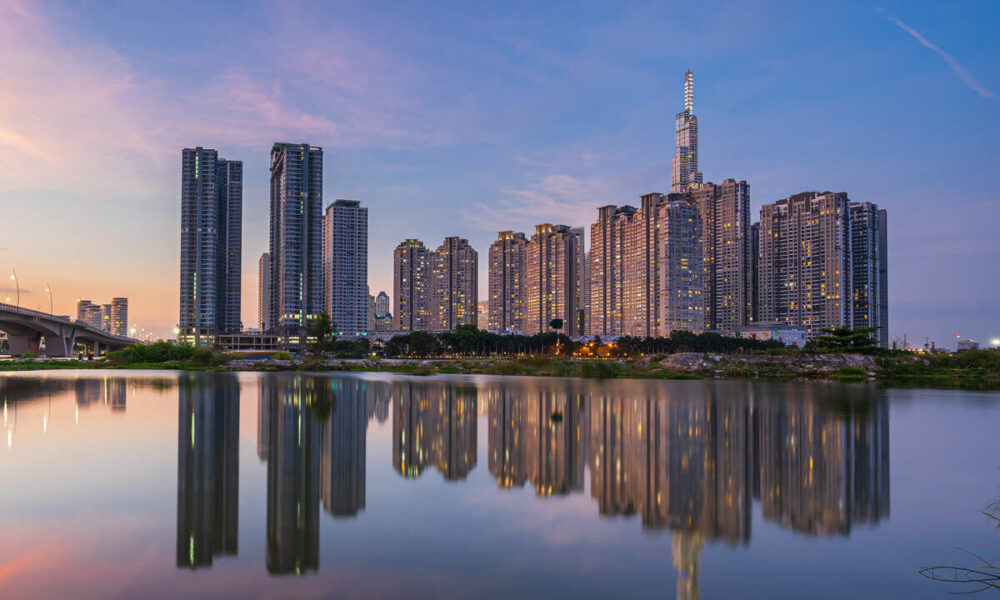
City Momentum Index 2020 of Jones Lang Lasalle (JLL) identifies the world’s most dynamic cities from a real estate perspective. According to the index, Ho Chi Minh City(HCMC) ranked third among top dynamic cities in the world. The dynamism of HCMC shows a promising picture for investment opportunities. Such potential is illustrated by the robust development of infrastructure and notable future projects.
The current situation of infrastructure development
Transportation infrastructure
The rapid urbanization in Vietnam is placing great pressure on the existing infrastructure. Both Vietnam’s two big cities - HCMC and Hanoi - are investing vigorously in urban transport infrastructure, inter-regional traffic, and satellite city systems to alleviate this stress, which offers numerous opportunities for foreign investors.
In particular, HCMC is currently a central traffic hub of Vietnam and Southeast Asia with a developed system of roads, railways, waterways and air routes. Regarding international trade, HCMC is located on the aviation and maritime traffic axis of the Pacific region, and can be considered the center of air traffic in the Asia-Pacific region. The relatively developed transport infrastructure and the geographic advantages in the transportation of HCMC present its attractive strengths to foreign investors.
In the near future, HCMC focuses on developing and upgrading economic and technical infrastructure, social infrastructure, and digital infrastructure. In particular, the city will develop 3 main pillars, which are transportation infrastructure, housing, medical and education infrastructure, and e-government, digital economy and digital society. Thus, HCMC expressed the will to establish long-term and strategic collaboration with international investors.
Industrial park infrastructure
Current situation in land occupation
Since 2016, industrial land fund has been increasingly limited, reducing the investment attraction of HCMC compared to its neighboring provinces.
According to the development plan of HCMC up to 2020, the whole city would have 23 industrial parks and export processing zones in operation. Yet so far, only 19 industrial parks and export processing zones have been deployed, accounting for 76.78% of the total planning land area. Meanwhile, the occupation rate of leased industrial land in 19 established industrial parks and export processing zones has reached over 66%.
In recent years, several foreign investors wanted to rent about tens of hectares in the city’s industrial parks, but the current unoccupied land rent area can not meet their demand.
Ms. Le Thi Bich Loan - Deputy Head of the Management Board in HCMC Hi-Tech Park - assessed that in the post-Covid period, many global enterprises shifted investment towards HCMC high-tech parks. But in reality, the land fund is already full, especially commercial land available for production.
She further added: “Korean businesses or those in Intel's global supply chain wanted to invest in the city, but there is no available land. Samsung also officially asked us that they needed 100 hectares, yet with the current situation, we cannot provide sufficient lend rent area”.
New solutions open up new potentials
In 2017, HCMC sent an official letter to the Prime Minister, requesting for a policy to supplement Pham Van Hai Industrial Park, Binh Chanh District (668 ha). The proposal aims to meet the demand for large-area industrial land lease of foreign enterprises.
The city government oriented Pham Van Hai Industrial Park to attract mechanical engineering, industrial robots, electronics-information technology, telecommunications, pharmaceutical chemistry, cosmetics, food processing, among others. At the same time, 100 hectares of land adjacent to industrial parks are planned to be residential urban areas.
Following new trends, major urbans will not "expand" in industry as before, but will instead pay more attention to the development of supporting services, urban services, digital economy and knowledge economy. Therefore, the orientation of HCMC’s industrial development in the coming time is based on the city's own characteristics and advantages, associated with hi-tech and digital economy.
Trade and service infrastructure
The legal document supporting for the development of trade and service infrastructure in Ho Chi Minh City
The development planning of the trade industry in Ho Chi Minh City to 2025, with a vision to 2030 is a powerful lever to orient the industry development and create a strong foundation for businesses to plan their strategies. According to the HCMC Department of Industry and Trade, the development planning focuses on 3 core fields, which are logistics, supermarkets and trade centers, and the wholesale-retail sector.
These areas have been identified as key competitive advantages for sustainable development of the city. The fields will contribute to the general socio-economic development in HCMC, turning the city into one of essential commercial centers in the Southeast Asia region.
In particular, in 2020, the average growth rate of total retail sales of consumer goods and services in HCMC reached from 8.55% to 11.53% annually. Meanwhile, the period 2021-2025 will experience the average growth rate from 10.89% to 14.02% per year.
The planning specifies the proportion of retail sales in modern distribution channels will reach at least 50% by 2025 and 60% by 2030. Thus, it aims to construct and implement the development plan of markets, supermarkets and trade centers in HCMC, based on harmoniously balancing development needs and project feasibility.
At the same time, HCMC will implement 8 sub projects and programs to launch the master planning in a synchronous manner, achieving the highest efficiency. Notably, the sub projects are the Project on the logistics industry development in the city until 2025 with orientation to 2030, the Trade Cooperation Program between Ho Chi Minh City and the East-Southwest provinces, and the Market Stabilization Program.
Opportunities for foreign investors
Economic experts forecasted Vietnam's retail market to have great potential of becoming an attractive penetration destination for international retail groups. The shift in Vietnam's retail structure from traditional to modern has been profound. Simultaneously, M&A activities between domestic and foreign retailers will change the structure and landscape of the retail industry.
According to Mr. Nguyen Thanh Phong - Chairman of HCMC People's Committee, in the coming time, the world situation will place great impacts on trade and service activities of Ho Chi Minh City. Therefore, HCMC's retail market is quite active and spares various rooms for development.
Future projects
Planning of Thu Duc city - economic zone in east of Saigon
Chairman of Ho Chi Minh City People's Committee has emphasized the important planning of Thu Duc city:
“From June, we will basically complete the general planning of Thu Duc city, and complete the planning at the end of the third quarter and the beginning of the fourth quarter. In this way, we can invite investment from both domestic and international enterprises. We also expect that Thu Duc will be one of HCMC heart, promoting the development of the whole city”
Mr. Nguyen Thanh Phong - Chairman of Ho Chi Minh City People's Committee
Thu Duc is located in a strategic geographic position, connecting with Long Thanh airport, Dong Nai and Binh Duong provinces. Granted with geographical advantages, Thu Duc itself has a lot of potential. Notably, the export turnover of this area currently accounts for about 40% of the total export turnover of HCMC.
In addition, Thu Duc has attracted diverse foreign investment capital, namely Intel, Samsung, among others. This area is home to the top universities of Vietnam, namely Vietnam National University Ho Chi Minh City, Fulbright University, University of Agriculture and Forestry, University of Technical Education, among others.
Therefore, Thu Duc will become the research hub as well as an abundant high-skilled human resources supply in the near future. This will help the development of HCMC as a favorable investment destination in Southeast Asia
Furthermore, the new urban area - Thu Thiem will be the global and regional financial center. This will be one of the four projects recently supported by the Prime Minister. In this way, Thu Thiem will be the strategic area with its 3 core pillars in high technology, human resources and financial center, backing for socio-economic development of HCMC as well as Vietnam. Besides, the area will become a comprehensive ecosystem for investment and innovative start-ups.
Planning to develop HCMC as a regional financial center
HCMC plans to attract more investment and develop the city as the top financial center of Vietnam and the world.
The scale of the HCMC financial activities was 111 trillion VND, accounting for 35,2% of the national financial activities. Meanwhile, the total capitalized value in HCMC Stock Exchange made up 95% of the whole market and nearly 65% of GDP in 2020. The total value of corporate bond transactions in HCMC is over 33 trillion VND.
Ho Chi Minh City
By 2025 HCMC will implement action plans along with specific policies to strengthen the city's position as a national financial center. In detail, the city authority will make great attempts to upgrade from a secondary to an international financial center in the ranking of Global Financial Centers Index (GFCI) before 2025. In this way, it will raise the competitiveness and development level in Southeast Asia.
At this period, HCMC initially constructed the complex financial - commercial center in Thu Thiem.
In the period from 2026 to 2030, the city aims to be an international financial center ranked notably in Asia. In particular, the complex financial-commercial center in Thu Thiem will be a financial cluster of Fintech industries associated with the banking system, and investment and asset management services.
Realizing the increasing demand for energy in Vietnam, many foreign investors are accelerating their market entry in the form of merger and acquisition (M&A) deals, especially focusing on renewable energy projects such as wind and solar power.
Increased demand for energy in Vietnam
Vietnam has been a country with a rapid growth rate, accompanied by a high demand for energy. During the 10-year period 2011-2020, Vietnam's electricity demand grew very rapidly, averaging nearly 10% per year. To meet the electricity demand, the scale of Vietnam's power sources has increased in capacity from 20,600MW in 2010 to 69,300MW in 2020. It is also expected that Vietnam needs to add 6,000-7,000 MW of electricity annually, with an estimated investment cost of $148 billion accumulated by 2030. Besides traditional energy sources, avid energy will significantly add to the electricity supply.
Additionally, the on-going Russia-Ukraine conflict, followed by an energy crisis and inflation, has caused the price of energy fuel to skyrocket. The consequences directly affect electricity prices, CPI, and many other areas around the world.
The world today is facing environmental and energy challenges, thereby placing an urgent need to reduce carbon emissions. Vietnam's climate and topography make renewable energy, especially wind power, a significant investment prospect. Vietnam's large renewable energy production potential is due to the long and narrow geographical shape of the country, with more than 3,000 km of coastline, including hills and mountains. Over 8% of the entire area has very good wind potential with an annual average temperature of over 21 degrees Celsius, and there are typically between 2,500 and 3,000 hours of sunshine per year.
Data from the World Bank (WB) shows that Vietnam currently has the most comprehensive installed solar capacity in Southeast Asia, with 16,500 MW produced in 2020. Vietnam is also one of the top 10 countries that have the highest installed solar capacity globally.
Vietnam's commitment to achieve net zero emissions by 2050 is anticipated to open up a slew of new opportunities for investment, transforming the nation into a green manufacturing hub and facilitating the export of made-in-Vietnam goods into developed countries' markets.
Foreign Investors Flocking to Energy Projects
Although M&A activity has slowed in the first half of 2022, it has merely reset to pre-pandemic levels, which averaged around 25,000 deals per half of the calendar year. Many foreign investors are still accelerating their speed of entry into the Vietnamese market in the form of M&A for renewable energy projects such as wind and solar power projects. The continuing acceleration of the energy transition and a growing focus on supply chain security will drive M&A in the areas of critical minerals and national energy supply in the second half of 2022.
Foreign investors from Thailand, Japan, Korea, Singapore, India, the EU, and Australia have stepped up market research and invested in many energy projects. Among them, the first green certificated loan in Vietnam between the Asian Development Bank (ADB) and Phu Yen Joint Stock Company on October 9, 2020, is worth $186 million to build and operate a solar power plant with a capacity of 257 MW. Foreign investors bring to Vietnam not only capital but also technical knowledge, negotiation skills, project management, and support for investors across the entire supply chain.
The dynamism of Thai investors is one of the main factors that has increased the heat of the M&A market in recent years, especially projects related to renewable energy. Some prominent transactions in the market belong to Thai investors such as Gulf Energy Development Company, Super Energy Corporation, and Banpu Energy Corporation.
The recent exciting M&A activity in the renewable energy sector is largely thanks to the leverage from the preferential policies for renewable energy projects and the favorable legal framework for foreign investors, including regulations that allow enterprises to own 100% of renewable energy projects.
Vietnam’s Effort in Pursuing Renewable Energy
During the past 35 years of renovation and reform, Vietnam has set the overarching goal of ensuring energy security. Particularly in Resolution 55-NQ/TW on "Strategic orientation for Vietnam's national energy development to 2030, with a vision to 2045," Vietnam unequivocally states that it is necessary to link requirements to ensure environmental safety with requirements to ensure sustainable energy security in Vietnam. Resolution 55 has highlighted the crucial task of accelerating the energy transition in the direction of putting a priority on the exploitation, efficient use, comprehensive use of renewable and clean energy sources, and developing a reasonable roadmap for traditional and fossil energy sources.
Only 0.32% of Vietnam's energy consumption was from renewable sources in 2014. The installed solar power generation capacity in 2015 was only 4 megawatts (MW). However, within five years, investment in solar power, for example, soared.
The country’s concentrated efforts and dedicated policies are why Vietnam is Asia’s next renewable energy powerhouse.
Currently, the Ministry of Industry and Trade is finalizing the National Power Development Plan for the period 2021-2030, with a vision to 2045 (National Power Development Plan VIII) and the National Energy Master Plan for the period 2021-2030, with a vision to 2050 with emphasis on strongly promoting the use of clean power sources, minimizing the impact on the environment. Due to its high level of complexity, the National Power Development Plan VIII is particularly significant and of interest to numerous agencies, units, professionals, scientists, and localities across the nation. "Putting the interests of the people and nation first" is the overarching objective that guides the Government's completion of the National Power Development Plan. So far, investment mechanisms and policies for energy projects have gradually shown more transparency and clarity.
Regarding the mechanism for transitional wind and solar power projects, the Ministry of Industry and Trade has proposed and requested the Prime Minister to approve the mechanism for investors of transitional projects to negotiate electricity prices and electricity purchase and sale contracts with the Vietnam Electricity Group (EVN) within the electricity generation price bracket and guidelines issued by the Ministry of Industry and Trade.
The power purchase agreement and electricity price negotiation mechanism will be used similarly to those mentioned above for future wind and solar power projects to ensure that the legal corridor is consistent with the projects.
Regarding the Decision on piloting the direct electricity trading mechanism between renewable energy generators and large electricity users (DPPA), a Draft Decision has been posted for comments from the public.
With the increasing demand for energy in the country and in the world, the energy industry and its M&A deals will continue to attract foreign investment in the coming years. Reach out to Viettonkin for more insights on the energy market in Vietnam.
In recent years, the prospect of attracting foreign direct investment (FDI) in Vietnam has been bright, as many large, medium, and small investors from developed countries have gradually diverted investment into Vietnam. Among them, overseas Vietnamese are receiving increasing attention and encouragement from the Vietnamese government to not only promote Vietnamese products and services but also to invest directly in Vietnam.
Support for Overseas Vietnamese Investors
Although there is no specific investment incentive policy for overseas Vietnamese investors, according to current regulations, overseas Vietnamese investors still have advantages over foreign investors. Overseas Vietnamese have the right to choose to apply investment conditions and procedures to domestic or foreign investors. Specifically, for overseas Vietnamese, when investing and doing business in Vietnam under the Investment Law 2020, if they still have Vietnamese nationality, they are considered as Vietnamese citizens and will follow the same mechanisms, policies, and procedures as for Vietnamese. However, for overseas Vietnamese who possess both Vietnamese nationality and a foreign nationality, the Law stipulates that the investors are allowed to choose investment incentives as prescribed by law.
Investment procedures applied to domestic investors are simpler and more convenient than those for foreign investors, as domestic investors are not required to apply for investment registration certificates in advance when setting up a business. Despite this, investors can still choose to follow investment procedures applied to foreign investors as they are accompanied by incentives such as exemptions from import duty or land rental fee exemptions.
In addition, Vietnamese expatriates also enjoy other preferential policies such as visa exemption and are allowed to buy houses in accordance with the Housing Law.
The new Investment Support Forum for Overseas Vietnamese (Invesfov), established by the Association for Liaison with Overseas Vietnamese in early 2021, is set to materialize Conclusion No. 12-KL/TW of the Politburo on overseas Vietnamese affairs in the new context, attract more resources from Vietnamese abroad and create optimal conditions for them to contribute more to national development.
Potential Sectors for Investment
According to data from the Ministry of Planning and Investment, as of the end of 2021, overseas Vietnamese from 29 foreign countries and territories had invested in 376 investment projects in the form of foreign direct investment (FDI), with a total registered capital of 1.72 billion USD.
Overseas Vietnamese investors have invested in 42/63 localities across the country, in which Hanoi led with 79 projects and registered capital of 476.8 million USD (accounting for 21.8% of total projects and 29.7% of registered capital), followed by Long An, Binh Thuan, Hai Phong and Dong Nai. FDI projects of expatriates have operated quite effectively, significantly contributing to the socio-economic development of localities.
Most of the projects of overseas Vietnamese invested in the processing and manufacturing industry, with 143 projects and registered capital of 725.14 million USD, accounting for 39.5% of projects and 45.2% of registered capital. Next in line were real estate, accommodation services, construction, science and technology activities, and information and communication. With the goal of taking advantage of the momentum and opportunities in the 4.0 era, the Vietnamese government has had policies and initiatives to connect with the overseas Vietnamese intellectual community as well as attract investment in high-tech industries.
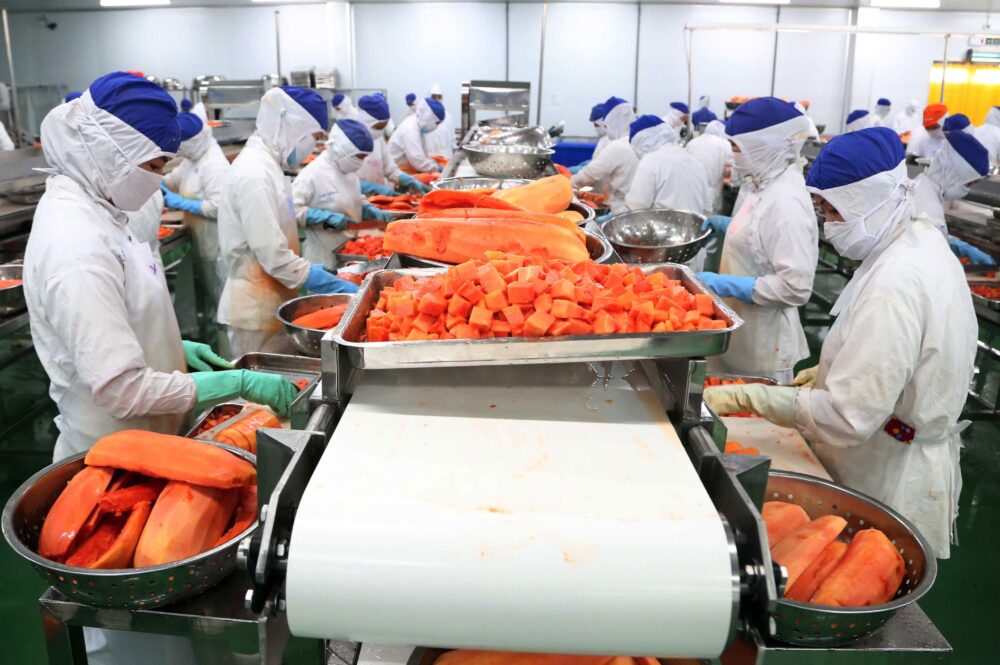
Food Processing
Food processing is one of the sectors that Vietnam is prioritizing to develop by 2025, with a vision to 2035. Despite the impacts of the COVID-19 pandemic, the Index of Industrial Production of the industry in 2020 still increased by 5.3% compared with 2019, as did the quality of the products and number of companies.
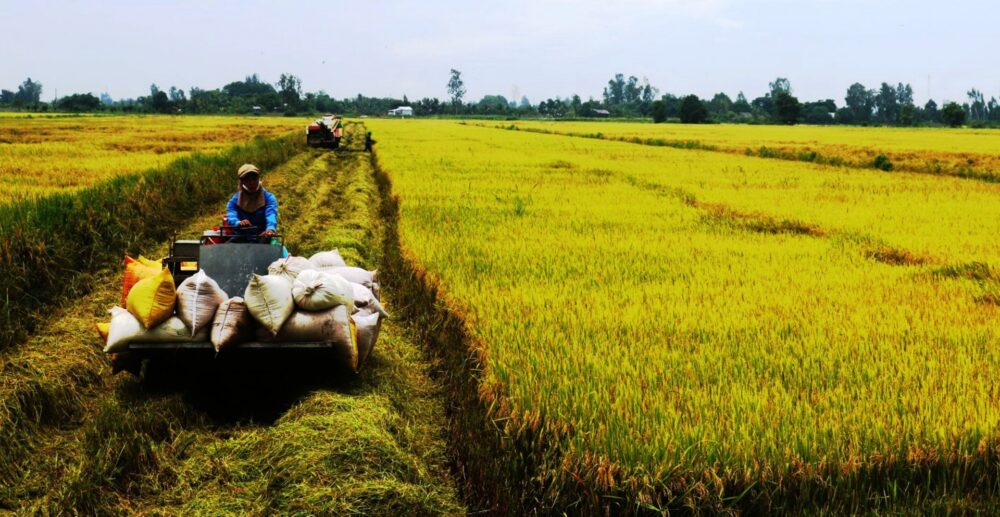
Being considered as the food basket of the world, Vietnam has many advantages for the processing industry with a diverse range of products, from rice, vegetables, coffee, and pepper to cashew, tropical fruits, seafood, and many more. With many M&A cases within the sector recently, the Government expects foreign investment in general and investments from overseas Vietnamese in particular, to play a major role in enhancing the country’s food processing industry. Incentives and favorable conditions are given, with priority over projects with advanced and environment-friendly technologies and those creating high-added-value products. High-tech integrated production chains are completely tax-free. In addition, investors are entitled to a 5% lower corporate income tax compared to the normal tax rate (25%). Prioritized projects will be tax-free for up to 4 years, after which they will enjoy a 50% lower tax rate than usual over the next 9 years.
In addition, the Government also wants the overseas Vietnamese business community and businesses to play a leading role in bringing Vietnamese goods abroad and, together with domestic enterprises, to create a supply chain of Vietnamese people in the global market.
Real Estate
According to experts, the end of 2021 was the time when Vietnam witnessed high remittance flow, leading to more active real estate transactions at that time. Along with direct transactions, most expatriates can ask their relatives to buy houses or invest in real estate projects. These real estate products, in addition to being used for living and relaxation, can be bought and sold by overseas Vietnamese owners or rented as a long-term investment.
Instead of just focusing on big cities, this cash flow is now flowing to potential new markets, notably resort real estate. The sought-after resort real estate products are often located in localities with clean air, calm and clear seas, ideal temperatures, and are suitable for year-round relaxation and health recovery.
The development of infrastructure systems, similarities in architecture in developed countries, and significantly lower prices than in foreign markets all entice more and more overseas Vietnamese to buy a home in Vietnam.
Embracing the Startup Spirit at Home
Although Vietnam's startup market was formed later than other countries in the world, Vietnam now has a complete startup ecosystem, supporting startups with component actors such as funds, investors, incubators, startup support programs, and service providers. All these factors have created opportunities for startups to form and develop. At the same time, Vietnam is one of the countries that strongly encourages the development of startups, with the spirit of entrepreneurship being adopted by the Government, as well as all ministries and agencies.
Social distancing during the Covid-19 epidemic has changed all aspects of people's lives and work. Social distancing and then the restriction of face-to-face contact have contributed to the growth of many tech-focused industries such as e-commerce, online payment, online training, online working, and so on. Now, as Vietnam moves into the new normal, this trend is likely to continue, attracting more and more foreign investors to come and write inspirational stories about entrepreneurship. Among them are the energetic and talented overseas Vietnamese, as well as Vietnamese international students.
Born in Vietnam, then adopted and raised in Sweden, having worked in many countries around the world, Denise Sanquist recently returned to her homeland, Vietnam, to realize her long-standing wish: create a safe dating and friendship platform for women, now known as Fika. The dating app was launched in the Vietnam market at a difficult time, when the Covid-19 epidemic was still raging. However, with Vietnamese youth forced to go through quarantine and find new ways to communicate and have fun, Fika quickly rose to prominence, becoming one of the most downloaded dating apps on both App Store and Google Play. After a year since its launch, Fika now has over 1 million downloads and is ranked as the #1 Free Dating app on Google Play as well as the #4 Lifestyle app on App Store in Vietnam. In particular, recently, Fika was also lucky to successfully raise $1.6 million in a seed round led by VNV Global, continuing Sanquist’s ambition to turn Fika into the #1 dating app in Vietnam.
Conclusion
With positive growth and suitable solutions during its fight against Covid-19, Vietnam continues to become a promising land for high-quality FDI inflows and ambitious overseas Vietnamese looking for a new market to invest in. As one of the country's most prestigious consulting firms for FDI projects, Viettonkin is delighted to accompany and support overseas Vietnamese investors in their search for good and suitable opportunities in Vietnam. Please send us an inquiry, and our team of experts will gladly assist you.
Ever since it was first implemented in 1997, the classification of key economic zones (KEZs) in Vietnam has provided many development opportunities and socio-economic boosts for different regions in the country to thrive. Moreover, the incentives and support provided by the Government and local authorities towards the development of the KEZs have in turn attracted investments from foreign businesses and individuals, creating distinctive competitiveness for each zone.
What Are Key Economic Zones?
According to the Portal of the Ministry of Planning and Investment (MPI), the Communist Party of Vietnam and the State have identified key economic zones as the driving force of the country, attracting the development of other regions throughout the country. A key economic zone is an area that possesses the best conditions for development and is capable of creating competitive advantages.
From the time of its initial implementation at the end of 1997 until the present, Vietnam's key economic zone model has received special attention from the government and ministries as well as foreign investment. As a result, the country’s KEZs have expanded from 3 regions and 13 provinces and cities directly under the central government to a total of 4 regions and 24 provinces and cities directly under the central government.
With a population that makes up 51% of the country, Vietnam's key economic zones cover a total of over 90,000 km2 (or 27.4% of the country's area). The Southern KEZ is the largest of the four KEZs, covering an area of over 30,585 km2. The Central KEZ is next (over 27,900 km2), followed by the Mekong Delta (over 16,600 km2), and the Northern KEZ (over 15,590 km2).
Current Situation
According to a report from the Ministry of Planning and Investment, the Gross Domestic Product (GRDP) of the four KEZs increased by an average of 7.25% per year between 2011 and 2019. The proportion of the GRDP of all 24 localities in 4 KEZs to the GDP of the entire country was greater than 70%. The two major growth centers of the nation, Hanoi and Ho Chi Minh City, helped the average annual growth of the entire nation between 2011 and 2019 reach 13.08% and 19.9%, respectively. In addition, a study shows that every 1% growth of the four KEZs will increase the GDP of the entire economy by 0.61%, of which the Northern and Southern KEZs are the two regions with the greatest impact.
But in the opinion of experts, the benefits of key economic zones have not been fully promoted to create a true driving force for national growth. In most cases, the infrastructure is insufficient, and the connections between the localities are not coordinated. The KEZs still don't have a sense of sustainable development, and the quality of urban development is still poor.
Each zone has its own characteristics that create inner strength to improve the region's competitiveness. While the Northern KEZ focuses on industrial development, the Southern KEZ focuses on developing the service sector. However, in general, they still tend to develop within quite similar and overlapping frameworks, without specialized assignments to realize economic sector linkages.
Open Doors for Foreign Investment
With their focused benefits and support, Vietnam’s key economic zones are considered to be magnets for foreign direct investment (FDI). Foreign investors are more willing to start their FDI projects in KEZs to take advantage of the incentives, abundant opportunities, and huge infrastructure. Due to the unique regional characteristics that give rise to each KEZ's distinct industry development orientation, businesses and investment funds will have more time to thoroughly investigate, contrast, and ultimately decide on the most advantageous opportunities for their ventures in Vietnam.
The Southern KEZ is known for its policies of attracting investments in knowledge-based and high-tech industries and services and is a recognized zone for advanced manufacturing. Electronics, software, IT, telecom, and high-tech agriculture production and processing are some of the key industries that will drive future investment for the Southern KEZ. The most significant financial and trading center in the nation, Ho Chi Minh City, places a strong emphasis on service industries like finance, logistics, tourism, healthcare, and education.
On the other hand, the economic structure of the Northern KEZ has gradually shifted toward industrialization. In accordance with Resolution No. 128/NP-CP, the Northern KEZ concentrates on luring investments from financial banking, specialized medical, and supporting industries, as well as high-tech industries and high-tech services. The improvement and expansion of major international container ports in the Northern KEZ have boosted the area's competitiveness with the Southern KEZ and helped the logistics industry grow.
Compared to the Northern and Southern KEZs, the Central KEZ is weaker in terms of infrastructure and human resources but has greater potential thanks to a large transhipment port, the development of resort tourism, and many world heritage sites. The Central KEZ is less developed in terms of infrastructure and human resources than the Northern and Southern KEZs, but it has more potential because of a sizable transhipment port, the growth of resort tourism, and numerous world heritage sites. Additionally, the zone has potential for the growth of the shipbuilding sector and maritime services. With lower investment costs than in other zones, the Central KEZ has become an attractive destination for both domestic and international investors. The Central KEZ has become a desirable location for both domestic and foreign investors due to lower investment costs than in other zones.
Finally, localities in the Mekong Delta KEZ have made significant improvements to their economic governance and business environment over the years with their unceasing efforts. The zone aims to focus on developing hi-tech agriculture, the agriculture processing industry, and tourism on Phu Quoc Island as well as efficiently implementing measures to promote the sustainable development of the region in line with coping with climate change.
As KEZ's infrastructure system is strongly backed by the Vietnamese government's framework and public-private partnership (PPP) stance, investing in its development is a popular choice for foreign investors. The long-awaited Law on Public-Private Partnership (PPP Law), which creates a general legal framework for all PPP projects and seeks to increase private investment in the construction of Vietnam's infrastructure, was approved by the National Assembly of Vietnam on June 18, 2020. While only time may tell if the PPP Law can truly bring significant results to the infrastructure scene in Vietnam, experts have pointed out positive changes under the Law with respect to making the PPP framework more appealing.
The private developer, investor, and lending communities are likely to welcome the clarification of the investment procedures for PPP projects, particularly the investor selection process, the relaxation of the private sector equity capital contribution requirements, and the introduction of revenue sharing and revenue support mechanisms.
Public investment is a key component of the post-pandemic recovery and is expected to be targeted at infrastructure assets that increase intra-regional connectivity. Going forward, it is also expected that foreign capital’s participation in these projects is likely to increase, and opportunities for public-private partnerships could attract foreign firms into sectors such as transport and infrastructure. In 2019, Vietnam introduced the Law on Public Investment, which is expected to accelerate decentralization, increase accountability, and contribute to higher efficiency in public investment. In addition, public investment is a key component of the MPI’s Socioeconomic Development Plan 2021-2025.
The Ministry of Planning and Investment and the Ministry of Finance are expected to draft a number of decrees aimed at putting the PPP Law into effect in the best possible way. Furthermore, the Prime Minister and the Government have issued several Decisions on the implementation of master plans on the socio-economic development of all key economic zones through 2020. Included in these Decisions are also a list of programs and projects prioritized for investment study for each KEZ. More information about the lists can be found here.
Conclusion
For foreign investors, Vietnam has emerged as an important investment destination. With a strong GDP and favorable investment conditions, selecting the best location for your operations is critical. Vietnam now offers four key economic zones for businesses to choose from, each with its own challenges and rewards. To choose the right KEZ will be to receive abundant incentives and support from the Government that ensure a leading advantage in the market for new businesses.
With over 12 years of experience in the investment consulting industry, Viettonkin is confident in providing the best solutions to our international clients, establishing ourselves as the trusted local partner that all foreign investors seek. Contact us right away and our experts will gladly assist you.
Although Covid-19 has significantly impacted export and aquaculture activities, Vietnam's seafood exports exceeded $8.9 billion in 2021 (up 5.7 percent compared to 2020). In 2022, free trade agreements, particularly the EVFTA and RCEP, will provide momentum for expanding Vietnam's seafood exports to significant markets.
Vietnamese seafood exports are growing, with several products reporting record increases
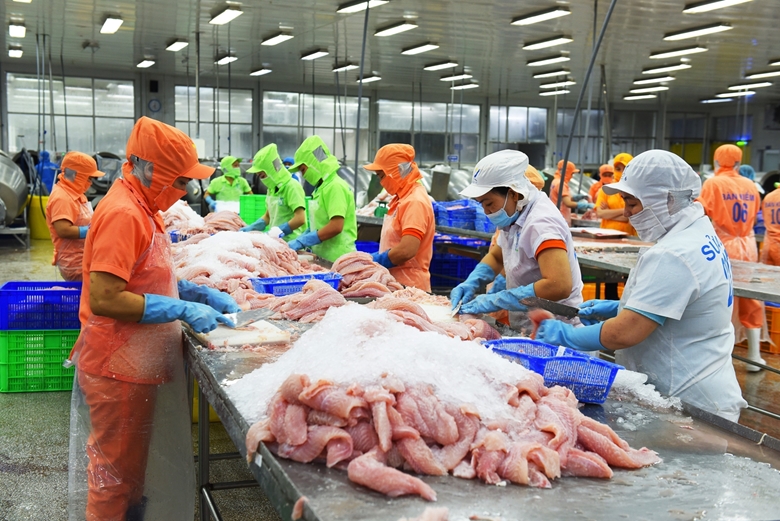
The first half of 2022 witnessed the recovery of seafood export products - value reached 5.7 billion USD, up nearly 40% over the same period in 2021. Among Vietnam's seafood exports, pangasius exports had a spectacular development with a turnover of 1.4 billion USD, an increase of 82.4% compared to it in the first 6 months of 2021. The growth of Vietnamese seafood export products is explained by the recovery of the supply chain to major markets like China - HongKong, CPTPP market and interrupted supply of white fish from Russia.
Shrimp is also a significant export product for Vietnam, with an export value of almost 955 million USD in the first quarter of 2022. In particular, the US market remains the top market for Vietnamese shrimp exports with an export value of 195 million USD, followed by the Japanese market (149 million USD).
Pangasius can be an alternative to pollock and cod in some major markets. Source: VNA
Ms. Le Hang, Deputy Director of Trade Promotion and Training Center (VASEP.PRO) under the Vietnam Association of Seafood Exporters and Producers (VASEP), predicts that market fluctuations in 2022, such as inflation and conflict in the Russia-Ukraine relationship, will be an opportunity for Vietnamese seafood exporters, especially pangasius products. Pangasius will be selected as an alternative to pollock and cod in some major markets.
Boosting seafood exports to the European Union
According to the VASEP, Vietnam's seafood exports to the EU market has exceed 1 billion USD (up 12 percent) in 2021, with exports to the majority of EU member countries increasing. Notably, shellfish exports to the EU market climbed by 37% in the last year, reaching 87 million USD, owing mostly to clam exports, which increased by 42% to 78 million USD.
Furthermore, following the COVID-19 vaccination campaign and the economic stimulus package commencing in early 2021, demand for seafood in the EU market has recovered significantly. A number of tariff incentives under the EU-Vietnam Free Trade Agreement (EVFTA) also provide an opportunity to promote the export of most Vietnamese seafood products to this market.
Vietnam currently has no competitors in the field of exporting pangasius to the Nordic region, but turnover remains low due to the small market and remote geographical location. As a result, most Nordic nations import from Vietnam via other markets such as the Netherlands, Germany, Belgium, and France.
According to the Vietnam Trade Office in Sweden, businesses must adhere to the market's stringent rules, such as the European Commission's food safety regulation, to expand seafood exports to the Nordic market. Enterprises can refer to information about regulations and mandatory requirements of the Nordic market on official EU websites such as Trade Help Desk and CBI.
The demand for convenience products and ready-to-eat foods is growing in Northern European supermarkets. Food processing companies create these products from raw materials. As more people buy convenience products, processing companies will need to expand their procurement of raw materials.
"This will be an opportunity for exporters if they can provide processors with a standardized and easily processed product or products with greater added value to the market," said Ms. Nguyen Thi Hoang Thuy, Commercial Counselor in Sweden, concurrently Denmark, Norway, Iceland, and Latvia.
Potential of exporting seafood to the RCEP market
The RCEP agreement will open up new opportunities for Vietnamese seafood exporters when exporting to major markets such as Japan, Korea, and China. Policies on market opening, simplifying procedures, and reducing trade barriers will help businesses boost exports to RCEP markets, which currently account for 63 percent of Vietnam's seafood export market share.
China is a significant seafood export market for Vietnam in the RCEP bloc, with an export value of 925 million USD in the first six months of 2022 (up 91 percent over the same period last year). Pangasius (48 percent) and shrimp (35 percent) are the two main seafood products exported to this market.
However, one of the most significant challenges to Vietnam's seafood export industry is the high selling price caused by increasing animal feed costs and high product costs. As a result, domestic seafood enterprises are recommended to reduce product costs, improve quality to satisfy technical criteria, and improve food hygiene and safety in order to safely and sustainably enter the RCEP block market.
Conclusion
In general, thanks to free trade agreements such as EVFTA or RECF, Vietnam's seafood export sector has numerous opportunities to increase exports to worldwide markets. Taking advantage of this opportunity to increase export orders and market share in the US, EU, and Chinese markets are critical solutions for Vietnam's seafood sector to meet the target of a 10 billion USD export value in 2022.
If you are an exporter and need trade consulting, contact Viettonkin for the most up-to-date and reliable information. Viettonkin and our team of specialists have over 12 years of expertise in the sectors of investment and business consulting. Contact us now.
The worldwide raw cashew nut market is expected to increase at a 4.27 percent annual rate between 2020 and 2025, reaching around $7 billion USD by 2025. Although labor shortages and harbor congestion due to Covid-19 significantly impacted Vietnam's cashew business, it still recorded positive growth in 2021.
Following the Covid-19 epidemic, The Conversation site reported that the global cashew sector would rise rapidly in 2022 due to the growth of macrobiotic and healthy diets, mainly in developed and emerging countries.
Current situation of cashew nut export in Vietnam
According to statistics from the Import-Export Department (Ministry of Industry and Trade), Vietnam remains the world's leading cashew nut export market, with 580 thousand tons exported in 2021, up 13% in volume and value compared to 2020. The Vietnam Cashew Association (Vinacas) sets a goal in 2022 to keep the quantity stable, increase the quality and price with export turnover striving to reach $3.8 billion, an increase of $200 million compared to 2021.
India and Vietnam are the two leading cashew nut exporting countries to the global and European markets. During the outbreak, however, due to a lack of ships and containers and expensive sea freight charges when importing commodities from Asia, many European and American importers are turning to direct imports of raw cashew nuts from neighboring locations like Africa, specifically Ivory Coast, Nigeria and Senegal. Although the amount of African imports remains far smaller than that of Vietnam, this remains an issue since African industries can boost exports to these two major markets.
However, the EVFTA and FTAs are supporting Vietnamese cashew exporters in expanding their supplies to vital and emerging markets in the EU. In the first 4 months of 2022, cashew shipments to the EU market have already reached 48.68 thousand tons, valued at $290.23 million USD, rising 21.8 percent in volume and 21.4 percent in value over the same time previous year. Particularly, EU nations such as the Netherlands, Germany, the United Kingdom, and Italy are currently among Vietnam's top ten cashew export markets.
Moreover, cashew nut exports to the United States, one of Vietnam's largest and most significant markets, continue to grow. In 2021, Vietnam exported 176,000 thousand tons of cashew nuts to the United States, worth more than $1,502 billion, and accounting for roughly 30% of total cashew exports. Vietnamese cashews currently contribute to around 90% of the cashew nut market in the United States, owing to consistent supply and assured quality.
On the other hand, Vietnam’s raw cashew imports from African countries also spiked in volume in 2021, while domestic raw cashew production currently only meets one-fifth of the processing capacity. This directly affects the ability to control quality raw materials and stabilize domestic cashew production.
According to VINACAS, Vietnam's farming land is now under pressure from various export crops such as pepper, rubber tree, coffee, and cashew. The current goal is to maintain the cashew-producing region, and increase yield through technological improvements. Along with that, the Vietnamese cashew industry is gradually shifting towards organic farming, and cooperating with neighboring countries like Cambodia to produce raw cashew nuts.
EU and American markets are favoring organic cashew products
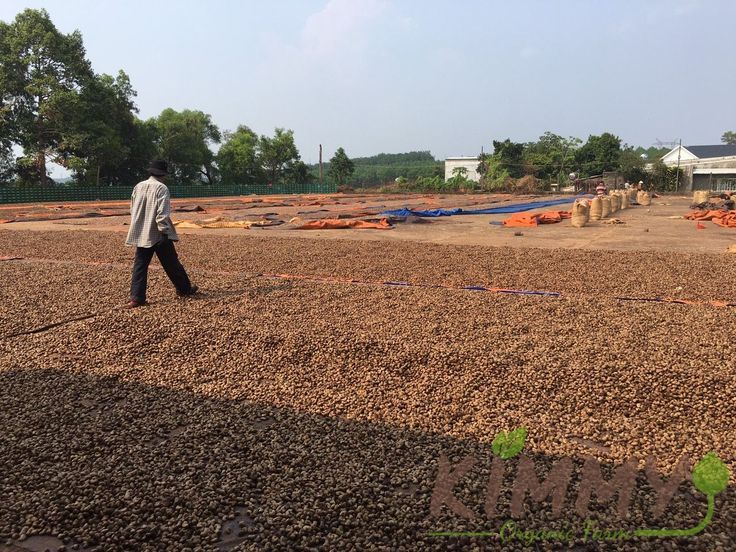
Photo by Kimmy Farm
Healthy eating and environmental concerns are becoming increasingly popular in Western countries, driving up demand for organic grain products. Notably, the organic market in the United States and the European Union has a significantly high value, reaching $57.5 billion (in 2021) and $54.5 billion (in 2020), respectively.
Due to large-scale manufacturing and mechanical processing technologies, Vietnamese enterprises benefit from comparatively inexpensive cashew nut pricing. However, in order to market organic cashews in the United States and Europe, exporters must follow stringent agricultural, processing, and testing procedures.
In addition to regulations on food safety and hygiene, organic farms need to be inspected for each consignment entering the EU by a competent authority (e.g., the Narturland association for organic farming in Germany) to use the EU organic symbol on its products, as well as the symbol of the standard owner. According to the European Commission regulations, The European Union organic label will not be issued to:
products containing less than 95% organic components
products not covered by organic laws, such as cosmetics
hunting and fishing products
products in the 'conversion' stage (where organic methods have only been introduced and there may still be non-organic substances in the soil or animal chain)
Viet Organic - Connecting foreign investors with local OEMs
Vietnam's agriculture model and manufacturing capabilities are still limited. To boost productivity and product quality, agricultural enterprises in Vietnam require investment capital, improve organic farming practices, and quality control. In addition, with several FTAs, Vietnamese businesses must strengthen their capability in international trade, particularly in exporting products to European countries.
On March 8, VINACAS announced that some Vietnamese enterprises had difficulty in paying, when 6 Vietnamese export companies sold 100 containers of cashew nuts to a group of 5 Italian importers, they lost control of 35 sets of original documents (equivalent to 35 containers), with an estimated value of about 162 billion VND. Although all 35 containers were successfully retrieved, Vietnamese enterprises must add extra investigative processes to the operation, such as calling the purchaser directly, or validating the address registered in the contracts.
To meet the strict regulations of Vietnam's major export markets, the country needs to have agricultural businesses and projects toward organic and environmentally friendly direction. From that, Vietnam's agriculture will be transformed from low productivity, using only traditional methods, to modern agriculture with high competitiveness compared to other countries in the region and the world.
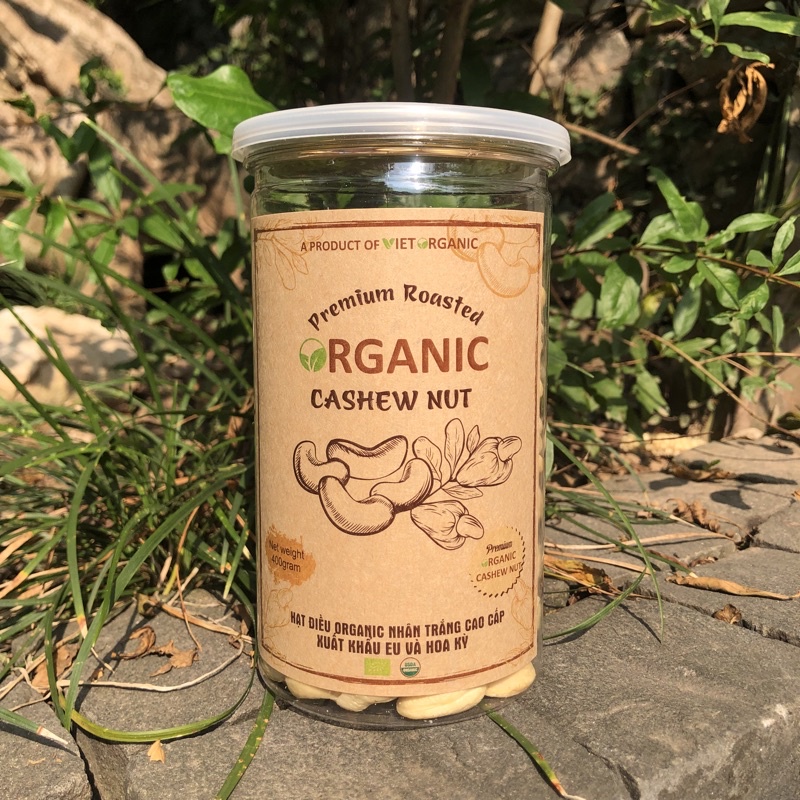
Photo by Viet Organic
Viet Organic is a producer and distributor of organic cashew nuts, cinnamon, anise, copra, and other major agricultural products certified by the EU and USDA organic standards. With experienced personnel in the field of organic farming and several factories as member companies across the country, the project is developed with the orientation of an organic agricultural business model, treasure natural values , and towards healthy world goals. Furthermore, Viet Organic's products are produced utilizing sustainable practices from farm to production and across the supply chain, meet EU and USDA organic certifications requirements.
Recognizing that Vietnamese agriculture's potential is being underutilized, Viet Organic works with OEMs to build organic production models and farms and close interactions between partners and customers. The strength of this project is its global network of consulting partners who can help local OEM partners enhance their capacity and reduce capacity gaps to meet expected standards.
With the National Assembly's resolutions on building new countryside, Viet Organic will radically transform farmers' understanding and habits to do modern agriculture, focusing on quality and productivity to create higher-value products, to optimize farmers' income and living standards.
Conclusion
In general, cashew exports from Vietnam will continue to have a large market in the United States and Europe if they can adjust to the market's need for organic products. Currently, Viet Organic is a potential developed project under Viettonkin that specializes in manufacturing, distributing, and exporting Vietnamese organic agricultural goods.
If you are looking to invest in exporting Vietnamese organic cashews, contact Viettonkin for the most up-to-date and reliable information. Viettonkin and our team of specialists have over 12 years of expertise in the sectors of investment and business consulting. Contact us now.
State-owned enterprises (SOEs) equitization has gained increasing popularity among investors recently. Particularly, SOEs held a large resource of the economy, about 7% of the total assets and 10% of the equity of all enterprises in the market. This accounted for about 25.78% of the total production and business capital, 23.4% of the value of fixed assets and long-term financial investments of operating enterprises.
In fact, in Vietnam's business and investment environment, foreign investors tend to invest in enterprises of their interested industries and in alignment with their investment strategies and the ratio of state capital holding in enterprises post-divestment.
The resonance of benefits between foreign investors and equitized State-owned Enterprises (SOEs)
In many cases, after purchasing shares in State-owned Enterprises (SOEs), foreign investors have significantly improved business performance. This can be explained by the contribution of foreign investors in modernizing business governance and providing a rich source of international information. As a result, the participation of foreign investment in SOEs helps make information transparent and enhance the growth strategy of the enterprises.
Additionally, in the case of engaging in the management apparatus of enterprises, foreign investors can make technological improvements and help enterprises improve competitiveness, thereby expanding markets and increasing economies of scale. The recent evidence shows that opportunities are promising to invest in equitized state-owned companies in key and developed economic sectors.
Hit deals in State-owned enterprises equitization
In the period 2016-2020, the M&A market recorded three deals in state-owned equitization divestment which are Vietnam Dairy Products Joint Stock Company (Vinamilk), Binh Minh Plastic Joint Stock Company and Saigon Beer - Alcohol - Beverage Corporation - SABECO.
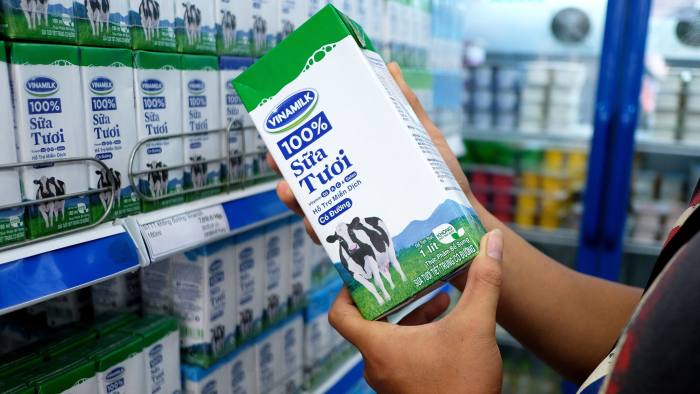
Photo by Vietnam Insider
According to Mr. Le Song Lai - Deputy General Director of State Capital Investment and Trading Corporation (SCIC), in the divestment of Vinamilk, SCIC collected more than 8 million USD, 16 times much higher than the cost prices. Meanwhile, the divestment of Binh Minh Plastic Joint Stock generated more than 9 thousand USD for SCIC, 9.6 times higher than the cost prices. Thus, the capital sales of SCIC has made quite an impression on investors, regarding state-owned capital transfer.
After 15 years in operation, SCIC has divested successfully 1,017 enterprises. Especially, in the period of 2016-2020, foreign investors participated in buying SCIC's capital in various divestment deals with a total value of nearly 10 billion USD, 15 times higher than the book value. Notably, thanks to the participation of foreign investors, the divestment process of large enterprises has brought better results.
As one of the first enterprises to sell capital to foreign investors, a representative of Post and Telecommunications Insurance Joint Stock Company (PTI) shared
“In 2015, PTI issued a capital increase for foreign strategic shareholders. After having a foreign strategic shareholder, the revenue, profit, financial capacity, and scale of the enterprise increased rapidly, market share was expanded, and corporate governance was improved. By 2020, the revenue of this enterprise has quadrupled compared to before the capital sale and ranked third in market size”
List of divestment companies
Based on Decision No. 64/QD-DTKDV dated 31/3/2021, SCIC issued a list of enterprises implementing capital sales in 2021. Among the enterprises on capital sales in 2021, Bao Viet Investment Joint Stock Company, Bao Minh Joint Stock Corporation, Binh Minh Plastic Joint Stock Company are of the top interest to investors. You can see the list here!
Privatization process
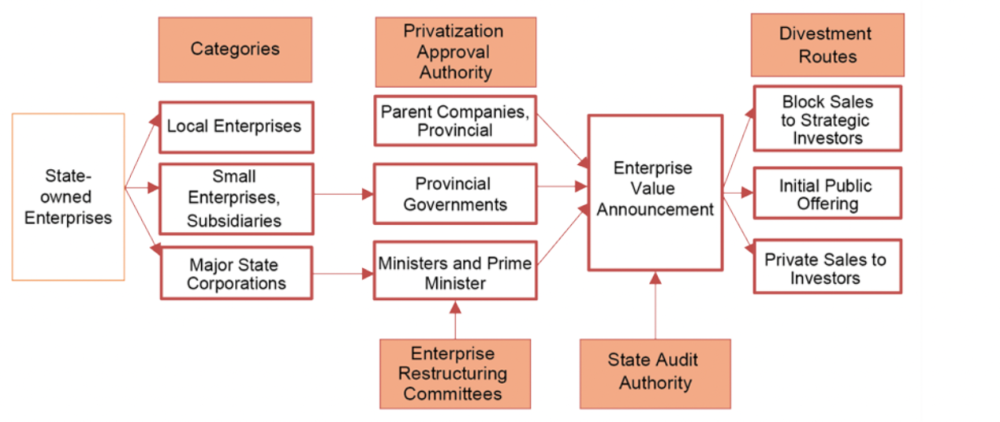
Figure 1: The steps in restructuring SOEs in Vietnam
The process of SOE reform in Vietnam experienced three main stages: the period of 1980−1986, the period of 1986−2001, and from 2001 to present. Prior to the Doi Moi period (1980 - 1986), SOEs and other forms of business underwent fundamental changes to shift the Vietnamese economy from a central to a socialist-oriented market economy. If an SOE passes through valuation for its book value, it will start with one of three options for restructuring ownership including private sale for investors, IPO or wholesale for strategic investors.
Enterprises valuation is a fundamental part of the privatization process when facilitating price negotiation between the government and strategic investors. It is also a bottleneck in the whole process, yet it can prevent a large number of SOEs from successful equitization. If the enterprise's valuation process has not been conducted with a robust monitoring system, state assets would suffer a value loss. As a result, this can cause a pressing impediment toward effective SOEs equitization.
Risks in purchasing shares of SOEs
Deposit
Mr. Le Song Lai assessed that the main challenges for foreign investors in shares purchase of SOEs lies in the deposit regulations. In particular, investors have to deposit a large amount of money to register buying shares while not knowing whether to buy it or not. This creates a sense of apprehension among investors on deciding to join the offering.
Further, to make a deposit, investors must convert from foreign currency to VND. Yet, in case the investors do not win the deals, they must convert back the currencies, creating a risk of exchange rate difference and increasing international money transfer cost. Especially, for transactions worth trillions of VND, a short transaction time will affect the domestic money market when the need for local currency suddenly surges to exchange for an extremely large amount of foreign currency.
The rate of capital ownership
Besides the risk in deposit, foreign investors face the restrictions in the capital ownership rate when purchasing shares in capitalized SOEs. In fact, several industries do not have specific legal provisions on this issue. Therefore, some enterprises in those industries have sent official letters to consult the ministries and other functional agencies, yet they have received no response.
In this way, foreign investors do not know if they are permitted to participate in the capital sale or not. As the plan of the government specified in capitalizing SOEs, enterprises will continue to reduce the state ownership ratio to 65%. However, despite 35% belonging to foreign investors, the rooms for them to jump in are full.
Information disclosure and Asset Appraisal
Photo by Tuoi Tre News
The current methods for asset appraisal are quite complicated, causing several shortcomings. In accordance with regulations, enterprises can apply two methods to evaluate the value when equitization, either discounted cash flow (DCF) or asset-based valuation.
The DCF method is based on the earnings from future production and business activities of the enterprise. In application of this method, businesses must determine the indispensable information, namely profit margin of 3-5 consecutive years and in expected 5-10 years, growth rate, risk coefficient, among others.
However, according to Mr. Tran Viet Duc - consulting director of Vietnam Auditing Company, determination of the aforementioned information is quite challenging and demands a long time. As a consequence, this method has not been widely adopted in practice.
The complexity of the first method has made businesses choose to calculate by asset value. But the biggest shortcoming of the alternative method is not accurately calculating the business advantage. Specifically, asset-based valuation is measured by the actual value of all assets at market prices and business advantages, in which Business advantage = State capital according to accounting books at the time of valuation x (profit margin after tax over State capital on average in the 3 years before equitization - Government bond interest rate for the last 10 years).
Yet, Mr. Duc evaluated that the calculation based only on these indicators will not ensure the accuracy. Particularly, the ratio of profit after tax on state capital is affected by various factors namely production costs, management level and even policies, while the business advantages are only one factor consisting of the profit of an enterprise. For example, the profit margin may increase dramatically in the last 1-2 years due to special conditions or inaccurate declaration. So, it will immediately affect the calculation results.
SOEs’ contracting authority
The management and use of state-owned assets is subject to diverse regulations. In detail, the general regulation of the Law on Enterprises and the Law on Securities, and the specific administrative regulations have significant effects on the state-owned assets use and management.
For instance, the decision-making authority for investment projects or the purchase and sale of fixed assets within 50% of equity belongs to the Board of Members or the President of that enterprise. For projects and assets with value more than 50%, the owner’s representing agencies shall have the reviewing and approving authority
Article 24 of the Law on Management and Utilization of State owned capital for Investment in production and business in Enterprise(s)
Photo by VietNam News
As subject to various legal regulations, SOEs must be exposed to a higher legal compliance level than non-state owned enterprise(s). In fact, parties often feel more reassured in cooperation with SOEs because they mistakenly believe SOEs as state representing agencies, or because of “soft power” in SOEs. These misconceptions lead to the cursory research and review stages of partners. Thus, this can result in unexpected risks afterwards.
The operation issue after buying shares
As mentioned earlier, SOE equitization can modernize business governance. Yet, this can cause human resource risk! Moving to equitization entails a change in management apparatus of the enterprise. Therefore, the change in business management is of concern to businesses as they do not certainly know the management strategy and the use of personnel in the new apparatus.
As a result, there is a slight change of internal conflict among stakeholders. However, if the investment strategy is suitable and long-term, it will create favorable conditions for the whole organization to thrive.
Conclusion
Though challenges remain, opportunities are wide open for foreign investors in capitalized SOEs. But, how can you leverage these chances and reap the benefits of what you sow? It is wise to have a leading expert by your side and guide you through the legal process of setting up a business here. With over 10-year experience in diverse industries, Viettonkin is confident to deliver updated market and legislation information. Having us with you, you are supported by a team of top-notch experts along your journey in Vietnam. Contact us now for your best results!
The green industry is now a trend that delivers substantial efficiency in economic growth, social issue addressing, and overcoming the repercussions of environmental degradation. As a result, a variety of green industries are attracting significant investment in Vietnam.
Renewable energy
Renewable energy or (completely clean energy) as opposed to fossil fuels. They are created from continuously forming sources, which can be considered infinite such as wind, rain, sunlight, ocean waves, tides, etc.
Renewable energy sources had a total installed capacity of 20,670 MW by the end of 2021, accounting for 27% of the total installed capacity of the entire system (76,620 MW); total electricity output from renewable energy sources reached 31,508 billion kWh, accounting for 12.27% of the total output of the entire system. Renewable energy projects in Vietnam have received significant FDI and private investment in recent years.
Photo by Vietnamnet
Many reasons are driving Vietnam's rapid development of the renewable energy industry: Vietnam has a lot of natural geographical potential that is perfect for the growth of the renewable energy sector; high domestic power demand; and the government offers several incentives, including tax breaks and the use of a pricing mechanism.
Renewable energy sources (wind power, large-scale solar power, biomass power...) would progressively raise their percentage to roughly 24 percent by 2030, rising to more than 50 percent by 2045, according to the draft National Power Development Plan VIII (PDP VIII). While the existing share is just approximately 15 percent, the current fiscal space is enormous.
In November 2021, members of the Government of Vietnam led by Prime Minister Pham Minh Chinh pledged to be carbon neutral - Net-zero by 2050 at the 26th Conference of the Parties to the United Nations Framework Convention on Climate Change (COP26) in Glasgow, Scotland (United Kingdom).
Green manufacturing
Green manufacturing is a crucial link in assisting Vietnam's transition to a green and sustainable economy. Greening production also introduces new needs and requirements for businesses to keep up with the general growth trend, while strengthening their position and boosting competitiveness in both domestic and foreign markets.
Many Vietnamese businesses have prioritized the use of natural materials, fuels, and non-toxic chemicals; investing in modern machinery, technology, and equipment for production lines in accordance with international standards to improve processes and move toward green production; investing in the installation of renewable energy systems to actively use clean energy; and installing quality, safety, and hygiene management system as well as a waste treatment system aimed at green and sustainable production.
Photo by Oki Hiroyuki
In order to meet the obligations made at COP26, Vietnam will need to modify the way energy is used in manufacturing and product creation. Currently, the Ministry of Planning and Investment develops and submits to the Government the National Green Growth Action Plan for the period 2021-2030, with a vision to 2050, concretizing the Green Growth Strategy and serving as a premise for the Zero Emissions Roadmap, alongside strategies, master plans, and other policy documents to develop socioeconomically in a green and sustainable direction.
From 2014 to 2019, the Ministry of Planning and Investment worked with donors to implement the initiative to develop eco-industrial parks, with the goal of transforming the industrial park into a newer one with higher operational efficiency, and the goal of better solving the living environment. Eco-industrial parks are growing more popular as the output products of one firm may also become the input products of another, lowering operating costs and enhancing enterprise competitiveness.
Green consumption is defined as the purchase and usage of environmentally friendly items that are neither harmful to human health nor endanger the natural ecosystem. It stems from a desire to preserve resources for future generations while also improving people's quality of life.
According to a Nielsen poll, up to 86% of Vietnamese customers are willing to pay more for items from businesses that have a beneficial influence on society and the environment. Vietnamese customers are becoming more conscious of environmental preservation, but in fact, it is unclear if they would spend more money on environmentally friendly items. As a result, investors must exercise caution before investing in this industry.
A woman shops at a supermarket in Hanoi. Photo by Reuters
'Green consumption' is becoming a new way of life. Solving the "green" problem in production activities allows enterprises to enter "tough" markets and to benefit from favorable tax rates when exporting goods to these countries. Furthermore, according to State regulations, establishments that produce and trade in environmentally friendly products bearing the "Vietnam Green Label" will benefit from incentives and support in terms of land and capital, as well as exemption and reduction of taxes and fees on environmental protection. At the same time, green consumption provides advantages such as increasing consumer safety and health; reducing the use of energy and natural resources; and developing new, environmentally friendly goods.
Green agriculture
Green agriculture is an agricultural approach that both serves people's food demands while also being environmentally and health-friendly.
Ministries, municipalities, enterprises, and farmers have pushed the implementation of scientific and technological advances, erecting several models in the direction of green - clean - sustainable development. Typically, rice production has used models such as "flower-side rice fields," "1 must 5 reductions," and "big sample fields using VietGAP." GAP farming practices and biogas in livestock models are used for fruit trees. According to COP26 pledges, Vietnam has finally finished the plan for a biogas program for the cattle sector, according to Mr. Phung Duc Tien, Deputy Minister of Agriculture and Rural Development.
Green agriculture now recognizes a great deal of effort from both businesses and farmers, with several exceptional projects:
The Sustainable Agriculture Transformation Project in Vietnam (VnSAT Project) began in Tay Nguyen and the Mekong Delta in 2017, with 13 provinces and cities participating in the implementation of two key commodities: coffee and rice. The project's entire capital is 288,237 million USD, which is equivalent to 6,629 billion VND. The VnSAT project has four components: strengthening institutional capacity for agricultural restructuring, sustainable rice development, sustainable coffee development, and project management.
The GIC Vietnam project is the German Government's next technical assistance commitment package, implemented in collaboration with the Department of Economic Cooperation and Rural Development, GIZ, and the six provinces with a total investment capital of 7 million euros. The project will help to improve farming systems toward sustainability, thereby improving the efficiency of natural resource management and use while enhancing the ability of the Mekong Delta's two main agricultural value chains, rice, and mango, to adapt to and withstand the effects of climate change.
Tan Thanh Holdings Investment Joint Stock Company has also offered to invest in the building of the project "Medical value chain related with sustainable forest development in the Central Highlands - Point model in Dak Lak" through the Institute of Green Economy Connection. The project spans more than 1,000 hectares, with a total investment of up to 3,000 billion VND in phase 1. This is believed to be Vietnam's first closed pharmaceutical production chain that matches international quality and norms.
In fact, there are still some "bottlenecks" that need to be removed, such as there are no plans for organic production or separate policies to support organic production; there are few organizations that inspect and certify "made in Vietnam" organic production, with most of the certification having to hire foreign organizations with high fees; agriculture continues to operate on a small-scale basis, making it difficult to apply closed and large-scale production forms of gree. Although green sectors are getting more popular, investors encounter several hurdles when joining this industry. Viettonkin is confident in its ability to be a top-notch expert in the Vietnam market and legal environment. We are ready to advise you and keep you up to date on changing market trends as well as policies to promote the growth of green industries. Contact us right now to increase exponentially!
About Us
Founded in 2009, Viettonkin Consulting is a multi-disciplinary group of consulting firms headquartered in Hanoi, Vietnam with offices in Ho Chi Minh City, Jakarta, Bangkok, Singapore, and Hong Kong and a strong presence through strategic alliances throughout Southeast Asia. Our firm’s guiding mission is aimed towards facilitating intra-ASEAN investments and connecting investors in Southeast Asia with the rest of the world, thus promoting international business relationships and strengthening inter-nation connections.



 English


/ho-chi-minh-city-at-night-22c7df816ce4493eb0e86cf54fe03309.jpg)