Vietnam's food trade industry is one of the most dynamic sectors in the country. Fueled by an expanding middle class, rising disposable incomes, and shifting consumer preferences, the increasing demand for high-quality food products is undeniable. From bustling markets in Ho Chi Minh City to modern supermarkets in other major cities, the opportunity for both […]
Vietnam's food trade industry is one of the most dynamic sectors in the country. Fueled by an expanding middle class, rising disposable incomes, and shifting consumer preferences, the increasing demand for high-quality food products is undeniable. From bustling markets in Ho Chi Minh City to modern supermarkets in other major cities, the opportunity for both […]
The Cold Chain has gained increasing interest in Vietnam in the past few years. The term was coined to define the ability of a supply chain to control and maintain the appropriate temperature for separate goods with different cold storage requirements, thereby ensuring the quality and prolonging the usable duration of the goods. Currently, the cold chain is applied to pharmaceutical and chemical industries, retail, and food industries namely fresh agricultural products, seafood, frozen food, and fresh-cut flowers, among others.
Demand
As the cold chain is currently the most attractive segment in the logistics industry, the demand for it is burgeoning. According to the Ministry of Industry and Trade (MIT), the majority of cold storage services are in operation at over 90% of their capacity. Several Vietnam market reports also confirmed that the demand for cold chains will continue to grow tremendously at least in the next half-century. This can be attributed to the outburst of e-commerce along with the significant change in customer behavior towards organic consumption. Undoubtedly, the market space contains plenty of room as well as potential opportunities to attract investment in the cold chain under the new normal situation.
In addition, the rise in export volume of Vietnam post-Covid-19 contributes to the growth of the cold chain. Cross-border bilateral trade between Laos/Cambodia and Vietnam - a potential agricultural processing/logistics center for suppliers will promote the promising growth of the cold chain. Hence, new-generation free trade agreements namely EVFTA, CPTPP, and UKVFTA will stimulate export demand for agricultural and aquatic products to fastidious European markets along with increasing demand for cold storage systems.
When it comes to seafood export, Vietnam seafood stands third in export volume in the world, accounting for the largest area of cold storage. According to Mr. Truong Dinh Hoe - General Secretary of the Vietnam Association of Seafood Exporters and Producers (VASEP), the cold storage system is a core link for both the production and export chain of Vietnamese seafood. Currently, this system in Vietnam meets only 30-35% of the demand for food, agricultural and aquatic products preservation (Ministry of Agriculture and Rural Development). Especially in the prime period of Covid-19, approximately 30-50% of seafood export orders were canceled, leading to the dramatic increase in inventory and the maximum capacity of cold storage. Under such a situation, several seafood manufacturers had the intention of investing in cold storage for better production and preservation. However, in reality, few enterprises with large-scale manufacturing and abundant reciprocal capital actually implement the plan, while the majority of SMEs seek out cold chain services from suppliers. Sadly, the supply of these services is in dire shortage.
Regarding fruit and vegetables, Vietnam is recognized as one of the biggest vegetable and fruits exporters in the world thanks to strong demands from China, Japan, the USA, Russia, Indonesia, Taiwan, and Korea. Recent studies show that slightly above 8% of producers and suppliers for the domestic market apply cold chains to preserve the products. This figure is insignificant, implying the high rate of post-harvest spoilage of agricultural products in Vietnam which accounts for 25.4% of the total output. During the fourth outbreak of Covid-19, Vietnamese cold chains were always overloaded, sometimes operating at over 110% of capacity. Thus, the demand for cold supply chains is constantly increasing.
Supply
Vietnam's cold chain market supply is in its infancy and fragmented. The cold chain supply currently provides 48 facilities, divided into 2 main branches: cold storage with about 600,000 shelves and cold transport with more than 700 refrigerated trucks. This figure is marginal compared to the increasing amount of demand.
Most of the cold storage is mainly located in the Southern region of Vietnam in which 60% of the market share is in the hands of foreign investors, yet, the chances remain open to domestic potential firms. According to Mrs. Nguyen Hong Van - Hanoi Market Manager, JLL Vietnam Company, the domestic investors have advantages over land reserves and a good-term relationship with local authorities, boosting the project implementation. However, foreign investors excel at product development, operation, and financial potential. Thus, the combination of these two groups of investors is the driving force for the development of the cold storage market in the near future.
Opportunities
The rising demand and the undeveloped cold chain system in Vietnam have created great opportunities for investors in this sector. According to CUSHMAN & WAKEFIELD, Vietnam's cold chain market reached nearly 169 million USD in 2019 and is estimated to gain 295 million USD in 2025 with a CARG of 12%. Yet, this growth rate is modest compared to the current growing demand. Additionally, Mr. Dao Trong Khoa - Vice Chairman of the Vietnam Logistics Service Business Association - commented that cold logistics (including cold storage) in Vietnam is a niche segment of the logistics industry in which the key players in this segment are SMEs. Therefore, investment in cold chains is promising.
While the cold chain industry is nascent and still considered a niche market, the status of the industry is likely to change in the next few years and will become a key sector. Due to the scarcity of each type of specialized cold storage, demand is likely to exceed supply, thereby increasing the price. In this way, the first comers in the market expect to harvest higher capital returns. In particular, if used to buying stable assets, prudent investors can buy cold storage with a long-term lease. Meanwhile, if investors aim for a higher rate of return, they can explore development opportunities in both greenfield and brownfield projects to earn a return on investment. Besides, building partnerships with existing operators and tenants prior to the start of the project will help limit the risk of vacancy upon completion of the project. Investors and property owners can also consider converting conventional warehouses into cold storage to exploit the difference in rental fees.
Realizing the great potential of the cold storage market, large corporations, enterprises, and even foreign investment funds have also stepped up to invest in the construction of cold storage and warehouses for export in Vietnam. In detail, in July 2021, AJ Vietnam Cold Storage Company put the highest cold storage in Vietnam into operation, which is located inside Long Hau Industrial Park, containing 31,000 pallets. It is expected that a 23,000-pallet warehouse will be put into operation in May 2022 in Pho Noi, Hung Yen.
Many cold storages have been established in Ho Chi Minh City (HCMC) recently. In the Linh Trung Export Processing Zone (Thu Duc City), ABA Cooltrans Group has opened one more cold distribution center with a scale of 10,000 meters and a total investment of 250 billion VND. On completion, the center will have about 5,000 square meters of cold storage with a capacity of 8,000 tons and be capable of storing and transporting goods to 1,000 points around the HCMC area.
At Tan Tao Industrial Park (Binh Tan District, Ho Chi Minh City), the largest cold storage in Vietnam and Southeast Asia of nearly 4 hectares and a total investment of 1.300 billion VND has been put into operation by Hung Vuong Joint Stock Company (HVG). The storage is equipped with 60,000 pallets, with a capacity of 60,000-70,000 tons of goods. At the same time, the company is preparing a plan to invest in another cold storage at Hiep Phuoc port.
The interest of the Vietnamese Government in this potential sector.
Under the spirit of Decision 899/2013 on the necessity of agricultural transformation towards high and sustainable value, and with the support from Israel and the Netherlands, agricultural enterprises have used highly skilled labor, resulting in much higher productivity. Hence, the project of preventing post-harvest losses creates a premise for enterprises and organizations to apply modern and advanced preservation technologies namely cold and cool preservation, and modified atmosphere preservation among others, thereby prolonging the transportation time and ensuring the quality of the goods. Thus, this will become the driving force for Agriculture logistics.
Likewise, Decree 163/2017/ND-CP on logistics development creates more opportunities for foreign investors in the logistics sector. With Decision No. 63/2010/QD-TTg, cold storage construction enterprises are eligible to apply for development investment credit interest rate and free land rent along with receiving 20% support for site clearance and 30% for technical infrastructure completion outside the investment fence. In 2022, the Ministry of Agriculture and Rural Development will propose to the Government the mechanisms and policies to support tax and loan interest rates for businesses investing in cold storage systems. Recently, the government gives ongoing support for infrastructure development in several developing regions, including the deployment of third port strategies, multimodal terminals, rail, and barge solutions, which further enhance the prospects of the cold chains.
In the upcoming time, the Government will promote the development of cold chains through diverse incentive investment policies and preferential programs. Viettonkin assessed that it is the right time for both foreign and domestic investors to seize the chances and capture a large market share. Investment in this industry is not so challenging with the help and support from seasoned experts. Viettonkin is proud to be one of the leading consulting firms that can help you navigate through the legal process of doing business in Vietnam. Let’s start your journey right now!
Despite the outbreak of Covid-19, the manufacturing and processing sector in Vietnam is on the rise and has the potential to attract growing FDI in the upcoming time.
Market potentials
According to the Foreign Direct Investment Department of the Planning and Investment, as of March 20, 2022, the total newly registered, adjusted, and contributed capital to acquire shares and contributed capital purchases of foreign investors reached 8.9 billion USD which is equivalent to 87.9% compared to March 2021. Meanwhile, realized capital of foreign-invested projects is estimated to stand at 4.42 billion USD, increasing by 7.8% over the same period in 2021.
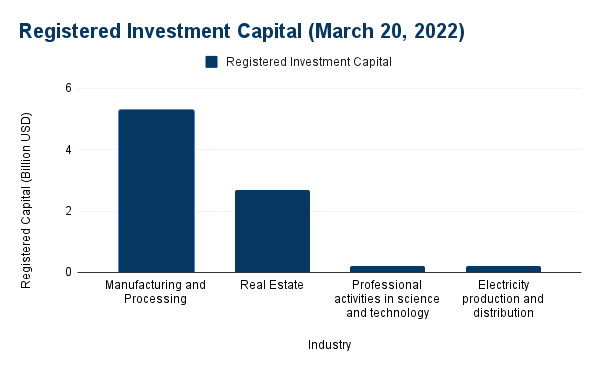
In addition, foreign investors have invested in 18 out of 21 national economic industries, in which manufacturing and processing is leading with a total capital up to 5.3 billion USD, accounting for nearly 60% of the total registered capital. It was followed by the Real Estate sector, Professional activities in science and technology, and Electricity production and distribution with registered capital at 2.7 billion USD, 200.4 million USD, and 194.6 million USD respectively. Although the number of registered FDI projects experienced a slight decrease, the amount of disbursed capital shows an upward trend. This is, therefore, still on the track of Vietnam orientation, attracting FDI in improving quality instead of increasing quantity while removing small-scale projects with insignificant value-added.
Figure 1: Registered Investment Capital (March 20, 2022)
Mr. Bui Thanh Son-the Minister of Diplomacy articulated that FDI attraction has been identified as a key action to promote economic-social development by the Vietnamese government. In this way, Vietnam has been making attempts to improve the investment-business environment, at the same time, issuing incentive policies for inward foreign direct investment.
“Currently, the FDI sector contributes about 20% of GDP, over 50% of industrial production value, and about 70% of export turnover of the country, creating jobs and income for millions of workers. Many of the world's leading corporations are making long-term investments and achieving success in Vietnam. Even when the outbreak of the Covid-19 pandemic has negatively impacted the world economy and Vietnam, FDI attraction to Vietnam maintained its momentum, reflecting the confidence and perception of international investors in Vietnam as a safe and attractive destination”
Mr. Bui Thanh Son-the Minister of Diplomacy
Noticeable FDI trends
Vietnam's manufacturing and processing industry maintains its position as a high-potential spot in attracting FDI with the advantages of cheap labor, favorable geographical location as well as preferential policies, especially for high technology products. On a global scale, Vietnam is a low-cost producer with competitive labor prices. On average, Vietnam's labor cost is significantly cheaper than that of China or the US, while the cost of doing business in Vietnam is relatively economical, especially in the manufacturing sector, thanks to its low investment, construction, and land costs. According to research data from Statista, the average manufacturing wage in Vietnam is 2.99 USD/hour, while in China it is 6.50 USD/hour.
In addition, Vietnam with its 100 million population has a large and well-educated workforce. Hence, The Government of Vietnam has also launched diverse vocational education programs to train skilled workers, particularly the Vocational Education Development Strategy for the period 2021-2030, with a vision to 2045.
Plus, Vietnam's participation in new-generation free trade agreements such as EVFTA, UKVFTA, and CPTPP creates an attractive investment environment for foreign investors. Thanks to these trade agreements, Vietnam can take advantage of lower tax rates to encourage export businesses to produce domestically and export to non-ASEAN markets. Also, compared with other countries in Southeast Asia, Vietnam stands out with its strategic location in the heart of ASEAN combine with the international airport, seaport, and railway system, facilitating production and transportation.
Tech Wire Asia (Malaysia) predicts that "Vietnam will continue to lead the region in manufacturing and processing, at least for the foreseeable future"
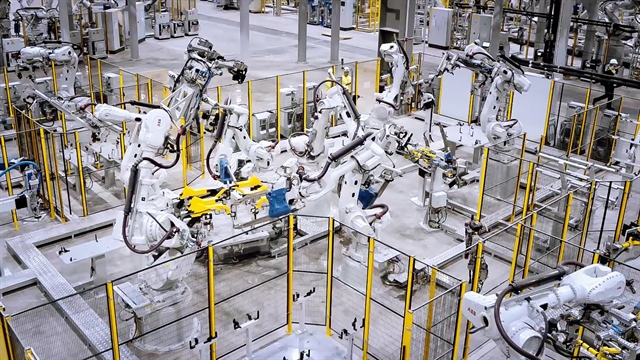
a Manufacturing plant with high-tech equipment
The mentioned advantages have been irresistibly appealing to foreign companies seeking opportunities for up-scaling manufacturing in Vietnam. Other than “tech giants” such as Samsung or Intel, other large global corporations have also announced their commitment to increasing production investment in this Southeast Asian country. Notably, Pegatron - a major manufacturing partner of Apple - Microsoft, and Sony, has invested an additional 101 million USD to establish a manufacturing plant for producing and selling computers, peripherals, communication equipment, and electronic components in Vietnam.
Along with that, Pegatron plans to invest in research and development (R&D) activities as well. Additionally, LEGO (Denmark) - the most well-known toy producer in the world - will invest nearly 1.32 billion USD in establishing a toy-manufacturing base in Binh Duong Province.
Most recently, Samsung has invested in a new Samsung R&D Center, with an investment of 220 million USD in Hanoi. This center is intended to complete by the end of 2022 and focuses on researching new technology trends, namely AI, Big Data, IoT…, becoming a strategic R&D base in the region of this MNC.
The Financial Times assessed that, in fact, an increasing number of multinational enterprises are looking to build production factories in Vietnam and this trend will continue to be more popular. Some economic experts even think that Vietnam is a "rising star" of manufacturing supply chains in the Asia-Pacific region. According to the World Bank (WB), the Covid-19 epidemic remains complicated, but FDI flows in Vietnam are booming, proving that foreign investors maintain confidence in Vietnam.
The final factor driving the growth of the manufacturing industry is the government's incentives.
Legal environment
Resolution No. 115/NQ-CP set a goal that by 2025, Vietnamese enterprises will be able to produce goods for the supported sectors with high competitiveness and meet 45% of domestic production and consumption demand. In parallel with strategic orientations, several preferential policies and action programs have been implemented.
On the reform and improvement of the business environment and enterprise support over the past time, Chairman of the Vietnam Confederation of Trade and Industry (VCCI) Pham Tan Cong commented that in general, support policies have been issued in a timely manner. Remarkably, some policies can be mentioned
Resolution 128 on opening the economy in time
Resolution 11/NQ-CP on reducing VAT and supporting land rent, preferential import and export tax rates. Under the Resolution, the deadline is extended for paying corporate income tax, personal income tax, value-added tax, excise tax, and land rent in 2022, and the loan interest is supported for certain subjects.
Decree No. 57/2021/ND-CP supports industries supplying raw materials, spare parts, and components for the manufacturing sector. The tax savings from the application of this Decree will provide financial assistance to businesses suffering impact due to the Covid-19 pandemic.
The National Assembly and the Vietnamese Government have recently had an extraordinary meeting in January 2022 to amend 8 laws to avoid the overlap, including the Law on Enterprises, the Law on Investment, the Law on Electricity, and the Law on Value Added Tax. Thus, the Government has well responded to investors, enterprises, and the public’s expectations, bettering the legal environment for further development and adaptation.
An overview of Vietnam's investment incentive financial policies in recent years shows that no discrimination exists between domestic and foreign investors. Hence, the reduction of corporate income tax rates and the diversification of tax incentives have contributed to a favorable investment environment to attract foreign capital inflows.
However, the legal framework remains several shortcomings. In detail, incentive policies are inconsistent in the objectives and the implementation measures. One of the main objectives of preferential policies is to attract FDI enterprises to using high-tech solutions, yet the incentives are based on tax, land rent, or the number of employees rather than criteria on deployed technologies. Meanwhile, some incentives are issued without a clear regulation on the conditions and procedures to enjoy those incentives, therefore, eligible enterprises have difficulties in acquiring the confirmation from the state agencies. Likewise, most tax incentives in Vietnam rely on the revenue of the enterprises or on the absolute time from the time the project comes into operation, leading to foreign investors profiteering from preferential policies.
Conclusion
Due to the uncertainty of the world economy, global corporations seek to diversify and increase the resiliency and connectivity of their supply chains while decreasing dependence on a single country. Under that situation, Vietnam has become a top destination for investment in manufacturing and processing, yet the country also faces challenges, especially in improving the supporting industry. However, Viettonkin believes that with the advantages Vietnam possesses, along with the supportive policies from the Government and the improvement in the business community, Vietnam will maintain its momentum as a hub spot for regional and global manufacturing and processing.
If you are interested in investing in manufacturing and processing in Vietnam, please contact our Vietonkin consultant team via email or contact page. Our professionals, who are insightful of the Vietnam market and legislation, can provide detailed advice on helping your companies navigate through the legal processes of setting up business in Vietnam.
The hardships caused by the Covid-19 pandemic have driven many businesses worldwide to the brink of bankruptcy. Nonetheless, it is due to the occurrence of the pandemic that digital transformation has been implemented more urgently than ever before. In this context, the fintech industry has emerged as one of the few brightest spots, becoming a strong competitor in the world of finance.
APAC
The Asia-Pacific region (APAC) has witnessed strong growth in Fintech companies. When it comes to Fintech adoption rate, the Fintech services all over Asia and the eastern Pacific Rim are increasingly used by the majority of the population. Within two years (from 2017 to 2019), consumer usage rates of Fintech-powered services have doubled, and in some cases, tripled, across key Asia-Pacific markets. Specifically, the Fintech adoption rate in Hong Kong, Singapore, and South Korea reached 67%, whereas Australia stood at 58%. However, most markets are still lagging behind China, with a penetration rate of 87%. In short, from fast-growing young economies, namely, China and India, to mature markets such as Australia and Japan, advanced Fintech systems have rapidly become a part of the fabric of everyday life.
Driven by global trends, the vibrant fintech space in APAC has garnered a lot of interest among investors and banks looking to satisfy their tech needs of building and accelerating their digital capabilities. Data from Market Intelligence shows that Asia-Pacific fintech firms scooped up 3.14 billion USD across 113 deals in the 2020 fourth quarter, which marks the highest quarterly funding activity for the year. In detail, Indian fintech companies raised 2 billion USD in 121 deals in 2020. In addition, total fintech investment and deals activity in the Asia-Pacific region saw a solid rebound in the first half of 2021 with 467 deals and 7.5 billion USD. Among strong fintech offerings continuing to be very hot in the Asia-Pacific region, the payment space was incredibly robust across Asia-Pacific in H1 '21, with the ‘buy now, pay later’ sub-sector considered to be one of the fastest-growing subsectors.
ASEAN proves to be a hotspot for Fintech start-ups in APAC as the number of unicorns in this region has continued to increase over the last two to three years, now adding up to 35 unicorns, which is the most prominent figure recorded in APAC. Singapore and Indonesia are home to the lion’s share of the region’s unicorns, with fintech representing the most common sector. This place is more attractive than ever before thanks to the investment activities along with appealing deals. In particular, Southeast Asian fintech firms netted 28% of Asia-Pacific deal activity and 17% of the region’s funding value in 2020. Explainable, fintech in ASEAN is an appetizing cake for investors.
ASEAN
The Internet economy in ASEAN is predicted to grow at a CAGR of 20% between 2019 and 2025, expanding to approximately 300 billion USD, fueled by the further adoption of digital services and a growing middle class. The digital services and growing middle-class drive corresponding growth within the financial service sector as consumer demand for related offerings such as payments solutions rise in tandem.
Despite its adverse impacts on various aspects of life, COVID-19 has accelerated the digital economy, creating numerous opportunities for FinTech firms across ASEAN. With an estimated 50% of the ASEAN-6 population unbanked, and an additional 24% underbanked, the market opportunity is enormous. Payments, widely seen as the starting point for a nation's FinTech industry, remain the dominant FinTech sector across ASEAN-6, while insurance technology (InsurTech) and alternative lending were additional areas investors saw benefitting from COVID-19 behavioral changes.
Singapore continued to attract the most FinTech investments within ASEAN-6, accounting for 42% of the region's total disclosed deals. Singapore's ability to stabilize and manage the spread of COVID-19 within its borders, along with its established leadership position in ASEAN's FinTech landscape, may also have contributed to continuing the country's strong performance in attracting funding. Indonesia moved up to a second spot at 20%, while Thailand and the Philippines tied for the third spot given a sharp increase in funding amounts year-on-year, driven mainly by three deals (Thailand: SYNQA - 80 million USD and Lightnet - 31.2 million USD, the Philippines: Voyager Innovations - 120 million USD). Vietnam closed four undisclosed early-stage deals, which received the second-highest funding last year due to VNpay's 300 million deal.
In the first nine months of 2021, Thailand secured 210 million USD in FinTech funding, a 60% increase compared with full-year 2020. The total funding includes a 150 million USD mega-round raised by Thailand-based FinTech firm, Ascend Money, propelling the firm to the unicorn status - the first in the country.
Most investors showed strong interest in the late stage. FinTech firms secured 10 out of 13 mega-rounds this year, including one from Thailand. This trend signals a shift in investors' strategy across several ASEAN markets as they take a more cautious and risk-averse approach of backing mature firms that are seen as standing a higher chance of emerging more robust from the pandemic. Given the growing adoption of digital payments in ASEAN, investors placed their confidence in and injected the highest amount of funds into late-stage FinTech firms from the payments sector.
Futuristic smart city with 5G global network technology
Vietnam
Even though the growth of new Fintech firms within ASEAN has been tapering since 2018, dropping from 31% growth to 13% in 2019 and down to 2% in 2020, the FinTech ecosystem in Vietnam has been growing for the past decade. There were 39 startups on the Vietnamese fintech scene in 2015, followed by an insubstantial increase to 44 startups within the next two years. The number of fintech companies in the Vietnamese market had almost tripled from 44 to 124 startups in 2 years from 2017 to 2019, with the most noticeable increase in P2P Lending startups, from 3 to 23 startups.
Moreover, Vietnam ranks third in attracting funding in the fintech industry with 375 million USD, accounting for 11% of the six major ASEAN economies. From 2017 to September 2021, Vietnam had seen 76 new fintech companies established, bringing the total to 188. E-wallets continue to gain popularity in Vietnam, with the biggest being MoMo, used by 82 percent of respondents in a report survey. ZaloPay followed at 62%, while VNPay claimed third place at 28%. Besides, two major deals in Vietnam consist of a 250-million-USD investment into payment company VNPay and a 100-million-USD investment into e-wallet MoMo, which covers the first nine months in 2019 (United Overseas Bank, PwC Singapore, and Singapore FinTech Association).
Fintech sectors in Vietnam still have room for strong growth. Ms. Vy Le - Co-founder and General Partner of Do Ventures critically commented that for FinTech companies in Vietnam to succeed, they will need to balance growth and regulatory compliance. On the side of policymakers, the Vietnamese government has approved and issued several policies to support the development of Fintech companies. However, as Fintech is a broad industry, Vietnamese laws currently provide neither a definition of fintech nor a single comprehensive instrument for regulating fintech activities. Therefore, current regulations mostly evolve around fintech in the payment industry.
Currency blockchain technology
Regulations for the development of the Fintech sector
To support the development of Fintech, some common international practices and regulations have been introduced worldwide. Countries all over the world have established innovation centers and Fintech-supporting organizations, namely Innovation hubs and the “Regulatory Sandbox” framework, along with establishing forums to enhance discussions and sharings between Fintech businesses, policymakers, and market supervisors. In particular, Fintech is typically regulated at the federal and state levels in the US. The policymakers’ standpoint to support Fintech is to promote innovation while ensuring that consumers are always protected under the law. Similarly, the Australian government is committed to establishing a Fintech hub through increasing investment in scientific, technological, engineering, and mathematical (STEM) research and licensing when eligible. In this way, businesses can test and calibrate their products without meeting licensing requirements for 12 months. In addition, Fintech Action Plan was announced by the European Commission in 2018, enabling innovative business models to spread across Europe and supporting the development of technological innovations in financial markets.
In Vietnam, the government has initiated several projects to accelerate the innovation and the development of the Fintech sector. For instance, Project to support the national innovation startup ecosystem until 2025 (Decision No. 844/QD-TTg dated May 18, 2016) stipulates on building portals and take-up service centers for start-ups, supporting finance and training activities, developing material-technical foundations, and encouraging the use of science and technology development funds to research and propose new solutions, etc. Moreover, with a project to promote sharing economic model (Decision 999/QD-TTg dated 12/08/2019), the Vietnamese government assigned the State Bank to study and develop a project of a trial management mechanism (Sandbox) for Fintech activities, study a pilot mechanism for peer-to-peer lending (P2P).
When it comes to the “Sandbox” framework, in the ASEAN region, Thailand has issued regulations that allow companies to participate in the trial of financial products and services for up to one year without having to comply with any licensing requirements applicable to investment consulting, private fund management and stockbrokers. Likewise, the Malaysian government issued guidelines on market identification and management of fundraising in 2015. A year later, the Fintech Rule Framework was issued, testing Fintech solutions for a certain period. On the other hand, Malaysia has also created a Fintech-friendly environment; therefore, the Fintech Community Alliance was established in September 2015, acting as a center for raising awareness and nurturing the development of Fintech. Additionally, the FinTech Advocacy Group, founded in June 2016, is responsible for developing and strengthening regulatory policies to facilitate the adoption of fintech innovations. The Malaysian Fintech Association was formed in November 2016 as the voice of the Malaysian Fintech community and links with industries and regulators in policymaking. Compared to Malaysia and other countries in the same region, Vietnam is currently lacking Fintech-supporting organizations; hence the government should encourage the establishment of such organizations for the growth of the Fintech sector
Secondly, many nations globally ensure equal competition in the financial market, especially between Fintech enterprises and large banks. In the United Kingdom (UK), the primary goal of the government is to secure support for the development of new business models and new technologies. With the encouragement of financial services innovation as a top priority, the government created the right regulatory environment to ensure that innovative companies compete and thrive. Thus, with Fintech sector development strategy 2018, The UK Ministry of Finance refers to policies towards increasing fair competition, removing growth barriers, and impediments to market entry for fintech companies. Besides, the UK government also develops centers and policies to create the most favorable conditions for Fintech businesses. On the other hand, in Vietnam, to manage Fintech activities in the banking sector, the State Bank of Vietnam has been proactive in approaching the issue and in conversations with businesses in the Fintech field to remove obstacles, facilitating market entry of Fintech promptly. The SBV has also established a Fintech Steering Committee of the SBV since March 2017 under Decision No. 328/QD-NHNN, in which there is one Deputy Governor who is the Head of the Committee. Furthermore, the Fintech sector has collaborated with banking rather than competing, creating an active digital financial market.
Apart from trial mechanism “Sandbox” and equal competition, developing digital identity (e-identification) or KYC (Know your customers) is of concern to most countries in the world. The Hong Kong government promotes Fintech development while the Hong Kong Monetary Authority plays a pioneering role in promoting the application of DLT/Blockchain technology for interbank payments, securities, lending, and credit rating, and digital identity. At the same time, the Vietnam government has issued policies on eKYC and e-identification, for example, Decision 34/2021/QD-TTg providing for electronic identification and authentication. Following the decision, the relevant units should soon build and put the robust national population database into operation for convenient, safe, and accurate personal identification. This allows organizations providing e-wallet services can exploit citizen data associated with biometric factors on the basis of customer consent, thus helping with accurately authenticating customers, opening and using checkable deposits services. In addition, Decree 87/2019/ND-CP amending Decree 116/2013/ND-CP guiding the Law on prevention and combat of money laundering allows the financial institution to decide whether to meet face-to-face or not to meet customers face-to-face when establishing a relationship for the first time.
Other than common practices, the Vietnam government has inaugurated the Project on Completing the legal framework for managing and handling virtual assets, electronic money, and virtual money (Decision No. 1255/QD-TTg dated August 21, 2017). In alignment with the projects, the government reviews and assesses the legal status of virtual assets and virtual currencies in Vietnam and does research and surveys of recorded figures. The relevant international experiences. Plus, it reviews, studies, and proposes amendments, supplements, and new promulgation of legal documents on electronic money, along with making a request for the formulation of legal documents on virtual assets and virtual currency.
Vietnam’s government has effortlessly implemented those policies together with other supporting policies to create a favorable environment for the Fintech sector to thrive. Thanks to the policies, the Vietnam Fintech market has opened tremendous opportunities for domestic and foreign investors. However, as the market is still nascent and the legal framework is being perfected, there are perceived challenges for the market conquerors. Yet, if the investors have clear guidelines and prompt consulting from experts, they are much more confident in gold-digging the Fintech mine.
Conclusion
Fintech in Vietnam is still a newborn sector with a promising future for investors. If you are interested in investing in setting up fintech companies in Vietnam, please contact our Vietonkin consultant team via email or contact page. Our professionals, who are insightful of the Vietnam market and legislation, can provide detailed advice on helping fintech companies navigate through the legal processes of setting up business in Vietnam.
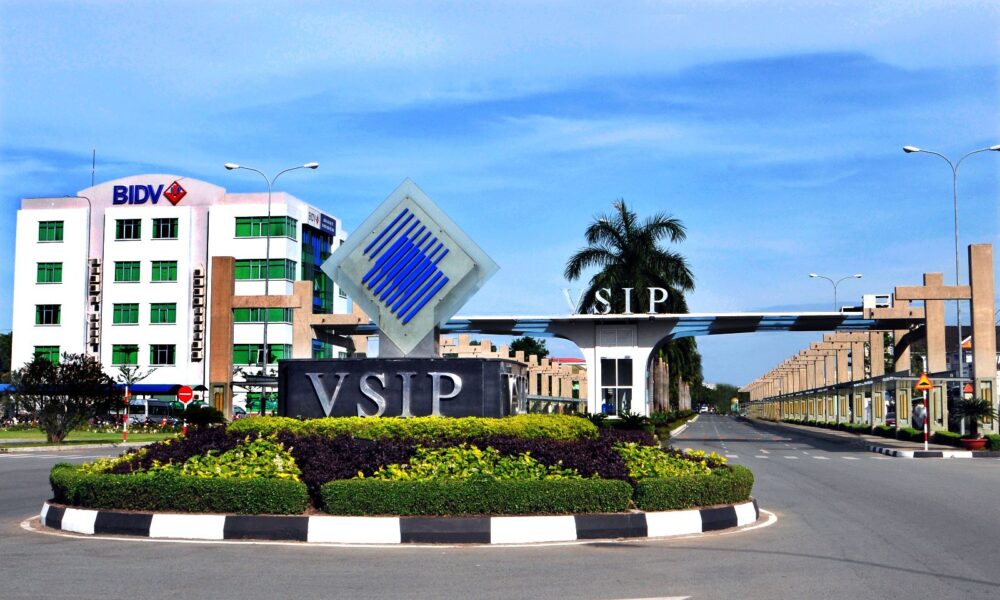
VSIP - A symbol of successful cooperation between Vietnam and Singapore
Vietnam-Singapore Industrial Parks (VSIP) was established in 1996 on the foundation of the two country's trade and investment relations. Main investment projects in VSIP include electronics, automotive components, consumer goods, and pharmaceuticals.
After 25 years, VSIP has completed 10 projects amounting to 10,000 hectares in seven key economic zones across Vietnam, including Binh Duong, Hai Duong, Haiphong, Bac Ninh, Nghe An, and Quang Ngai. Among these, the VSIP I in Thuan An District has now become one of the leading industrial parks in Vietnam.
VSIP has supplied production infrastructure to 880 clients from more than 30 countries and territories, with a total investment of $15 billion and creating jobs for more than 300,000 local and foreign experts, engineers, and workers. Along the way, the two nations have joined efforts in remodeling VSIP from a traditional industrial park to an integrated township and industrial park, bringing in new urban solutions. One of such projects is the Habitat Binh Duong high-end apartment project.
To date, VSIP is regarded as one of the top urban and industrial park developers in Vietnam, as well as a symbol of successful cooperation between Vietnam and Singapore, due to the success of completed projects and the prominence of continuing and forthcoming projects.
Singapore-Vietnam Industrial Parks implemented by Becamex IDC
Challenges for Vietnam-Singapore Industrial Parks
Public Infrastructure Constraints
While the infrastructure of VSIP was designed to be a completely new model of industrial parks with green coverage and modern infrastructure in line with Singapore standards, the public infrastructure in Vietnam localities remain underdeveloped and poorly maintained, creating a big gap between the parks and surrounding regions. The unsynchronized infrastructure system in deep-water seaports, railways, roads, and waterway networks, creating unfavorable conditions for transporting goods, serving the economy, and investing in Singapore-Vietnam Industrial Parks.
Vietnam was placed 80th out of 139 countries and territories in terms of port infrastructure quality by the World Economic Forum in 2019. According to the Vietnam Port Association, 80 percent of container exports and imports are transshipped through smaller ports and ships. The VPA also stated that the lack of deep-water ports costs goods owners around US$2.4 billion per year. Due to rising trade volume, certain ports are overburdened with cargo, resulting in traffic congestion and significant delays.
Additionally, road and rail infrastructure have also not been able to keep up with the country’s economic growth. The railway connecting Hanoi and Ho Chi Minh City is in critical need of upgrading, as well as the fact that just 20% of national roads are paved. Due to the lack of a rail network connecting various ports, freight currently must be transported by road, adding to shipping costs.
Vietnam lack deep-water ports
Skilled Labour Shortage
Another constraint Singapore investors should be aware of when setting up a company in Vietnamis the lack of human capital. With a population of over 96 million, Vietnam’s labor force makes up 57 percent of the population. However, the size of this workforce is much smaller than that of other manufacturing hubs like China. Moreover, the amount of skilled labor is still modest in relation to the demand for industrialization, modernization, and the international integration process.
Currently, around 40% of FDI firms in Vietnam find it difficult to recruit skilled workers. Indeed, labor shortages have been a lingering problem for many localities, from Vinh Phuc and Quang Ninh in the north to Danang in central Vietnam to Ho Chi Minh City, Binh Duong, and Dong Nai in the south. The lack of skilled labor has become an increasingly obvious barrier to growth in value-added exports such as high-tech goods, preventing foreign firms from investing in high-tech manufacturing in Vietnam.
While having a total labor force of 1.9 million which accounts for 3.5 percent of the national labor force, recruiting skilled labor can be a challenge, especially for highly skilled engineers and senior managers in Nghe An. Nevertheless, the province is struggling to meet the growing demand of the labor force in manufacturing, which is rising 2.3 percent annually compared to the supply growth of 1.3 percent.
Considerations for Vietnam-Singapore Industrial Parks
Despite the challenges of doing business in Vietnam, Vietnam is still an attractive destination for investors because of promising economic prospects aided by the country's low-cost workforce and fast-growing market. Foreign direct investment (FDI) has contributed significantly to the economic development of Singapore-Vietnam Industrial Parks and Vietnam in general but more actions are needed to improve its efficiency and increase the quality of operations of FDI enterprises in VSIP.
The first and most significant step is to enhance mechanisms and policies to attract FDI, including providing greater incentives, administrative reform, and improving the province's business and investment climate. In the next five years, the province must evaluate and adapt the master plan for the creation of the Southeast Economic Zone, reconfiguring functional zones and industrial parks to satisfy the demands of high-quality FDI.
Infrastructure is a critical problem that must be addressed immediately if VSIP is to stay competitive. With the government’s support, VSIP must continue to develop a comprehensive system of infrastructure, transportation, seaports, urban areas, and hospitality services to help FDI investors keep up with growth and reduce logistical costs.
The objectives of educating and developing local human resources, as well as enhancing the competency of government officials, require more attention in order to attract high-quality FDI. Vietnamese authorities and human resources firms are encouraging business leaders to provide more support for their labor force and create more favorable conditions, such as facilitating job market information and publicizing recruitment needs; promoting employment service centers; and reinforcing the coordination between training institutions, enterprises, and government agencies to address this human capital bottleneck.
The FDI attraction approach should also be adjusted to be more proactive with priority given to big and multinational corporations with advanced technology, commitment to technology transfer, and environmentally friendly projects. In the long term, the province aims to lure projects with high value-added chains, including automotive and motorcycle manufacturing and assembly, key mechanical industries, and high-tech processing and manufacturing. If you are foreign investors and businessmen who seek investment opportunities in Vietnam or in Singapore-Vietnam Industrial Parks in particular, please contact Viettonkin consultant team via email or contact page to get support. With our specialized knowledge and experience in helping foreign enterprises’ getting into the Vietnamese business environment fruitfully and economically, we can provide detailed advice on procedures, stages, and documents required to prepare for the application of a Vietnam business registration certificate.
The pandemic, in fact, has made all industries get stuck. Food and beverage are one of the sectors that are affected severely by the Coronavirus pandemic. Customers avoid eating out due to the fear of crowds. Moreover, according to the Vietnamese government policies, restaurants and bars have to close since the first of April. Never has the food and beverage sector experienced such a huge loss in profits before. Hence, what should food and beverage companies do during the Coronavirus crisis? The article will provide you with insights into consumer behaviour and suggested management strategies through some food and beverage companies in Vietnam.
Food and beverage industry knockdown during the Coronavirus pandemic
Food and beverage businesses worldwide
The Coronavirus pandemic has influenced on the governmental level, manufacturing and finance.
Governmental level
How do countries and regions in the world respond to the outbreak regarding food and beverage industry? On March 18, the US Food and Drug Administration has declared that it will be suspending domestic inspections. The organization will suspend most foreign inspections of food, as well as medicine and medical devices, as a precaution against the spread of the Coronavirus. Food Industry Asia (FIA) and the Asian Food and Beverage Alliance (AFBA) have called all countries in the region to provide sufficient food to overcome the global health crisis amid the increasing number of nationwide lockdowns and border restrictions. In particular, the two agencies are jointly calling upon governments to ensure the unhindered production and supply of food and beverages. Being fear of the food shortage possible in Asia, Matt Kovac, FIA executive director, advised all governments to keep their countries’ food production at full capacity where possible and to remain open for food and beverage supply.
Workforce and Manufacturing Impacts
The pandemic also has negative impacts on workforce and manufacturing. Some countries have called on retired or idle workers to join in manufacturing. The chairman of leading UK food producer called on hospitality staffs who have lost their jobs due to the Corovirus outbreak to contribute to the national food production in the hardship. Furthermore, European countries are encountering the shortage of facial masks and dry hand sanitizer. As a result, distilleries and breweries are converted to places producing these two items. Beverage factories including Tito’s Vodka, Brown-Foreman, Pernode Ricard USA and beer producers such as Anheuser-Busch are standing up to join in the sanitizer game. Food and beverage industry also face a scarcity of ingredients and food supply disruption due to the Coronavirus pandemic. Typically, the pandemic has disrupted Coca-Cola supply chain and artificial sweeteners from China could be in shorter supply if the outbreak continues to spread. Encountering the possibility of a shortage of food supply, food retailers are focused on ensuring local sourcing to overcome the risk of cross-regional transportation bans. Besides, food manufacturers with facilities in other countries have begun working with local suppliers to keep product moving. Companies also come up with solutions to keep the operation as well as to protect workers. These solutions are to minimize contracts with workers, to limit the number of workers going in and going out facilities, to provide screening employee’s temperature. The minimization of working contracts may increase the number of unemployed workers.
Production and exporting enterprises suffer from long-term impacts. Old contracts are likely to be terminated while potential contracts are pending due to the declining purchasing power in Vietnam and other countries.
Financial impacts
Some categories in food and beverage can take benefits during the pandemic, but the others do not. Food and beverage sector suffers from the declining tendency of real estate during the Coronavirus epidemic. Some restaurants have to stop because of the high cost of ground rent, which usually accounts for 25 - 30% of the revenue. Now, the revenue drops and owners find it hard to cover such a high operating cost, then the shutdown, to some small restaurants, is just a matter of time. Furthermore, SMEs in food and beverage are affected immediately when the pandemic becomes serious globally. If there are no positive signs from the Ministry of Health, big corporations in food and beverage have to scale down the business and trim down human resources.
According to Nielsen Vietnam, 51% of retailers (in 356 F&B retailers in Vietnam) have indicated that COVID-19 has negative impacts on sales, which reduced 3% in the first two months of 2020. Despite the general downside in food and beverage, some product categories are predicted to take benefits as consumer’s behaviour changes. According to Mr. Nguyễn Lâm Viên, chairman of Vinamit, said that essential food and functional food will have high demand. Foods that are good for health are predicted to increase considerably to 30% because when people stay at home, they would like to buy organic foods that are healthy and improve the immune system. It can be said that consumer’s behaviour has changed a lot during the COVID-19. How do consumers react to the current situation? Let’s move the next part.
Vietnamese consumer’s behaviour in food and beverage industry during the Coronavirus pandemic
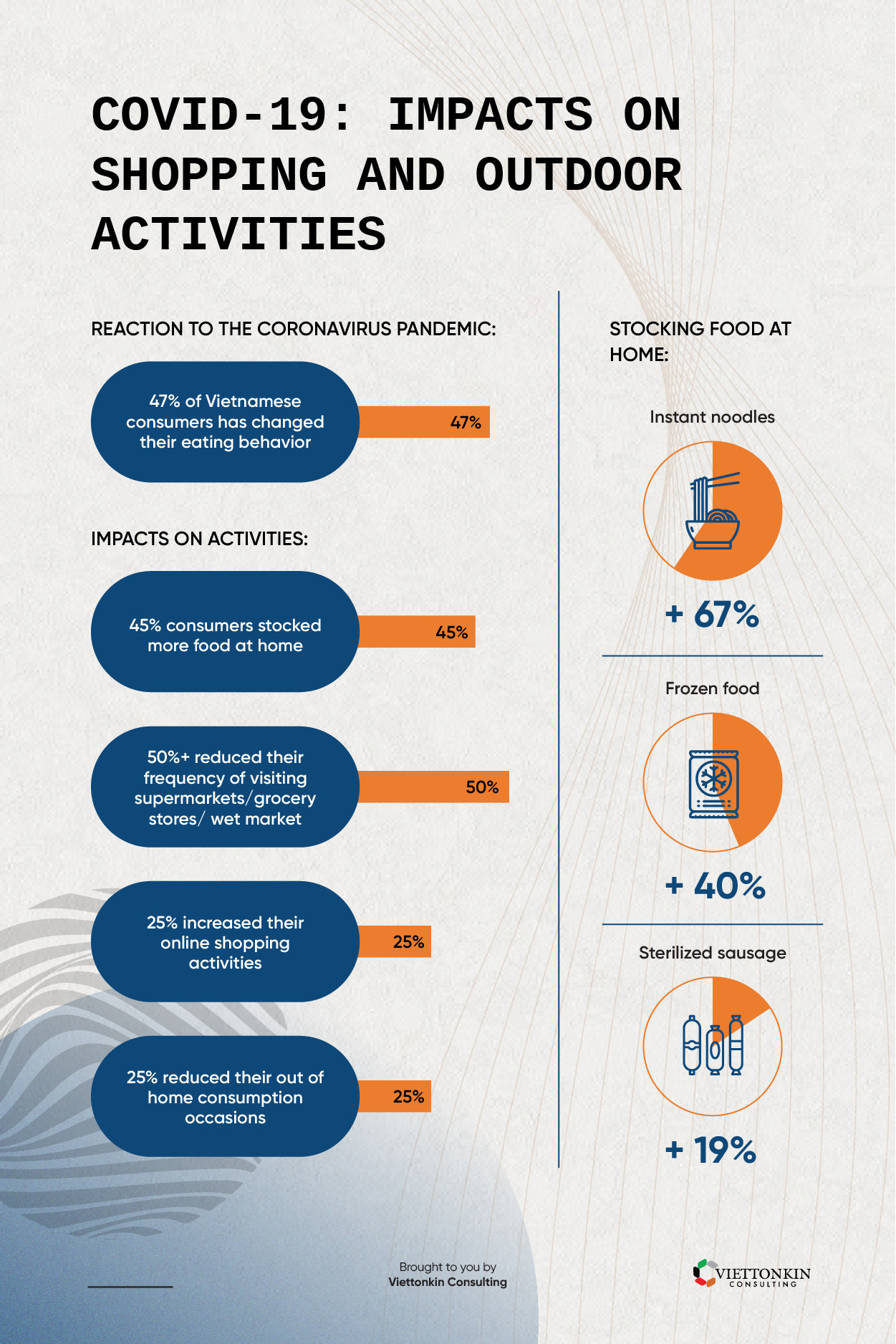
According to a survey conducted by Nielsen Vietnam on how COVID-19 changed consumer’s behaviour, Vietnamese customers’ attitude toward shopping and eating out has shifted. In particular,
45% of consumers stocked food at home
50% of consumers reduced their frequency of going to supermarket or convenience stores
People spend more on personal and family hygiene products to remain clean and kill germs.
People eat at home more, then convenience foods and cooking aids surge during the outbreak.
Immune-boosting and nutrition products, especially for the elderly and kids are bought more, in which milk powder and yogurt are favored.
Nevertheless, people avoid celebratory occasions due to the spread of Coronavirus. Vendor bars are forced to close to restrict the number of crowds, then either alcohol drinks or non-alcohol drinks are experiencing a sharp decline.
Strategies for food and beverage companies during the pandemic
Pour money in marketing and shift to take-away with creative ideas
Communicate with customers about COVID-19 on social media
Taking advantage of social media to communicate and engage with customers is a must-thing for marking during the temporarily close due to the pandemic. Restaurants and coffee shops use social media as the main channel to update the situation and promote new programs in the pandemic.
Don Chicken, a restaurant chain about fried chicken from Korea, encourages customers to stay at home (follow the guideline of the government) and not worry about your meals because Don will take care of you. The hashtag #stayathome and the title of the picture motivate customers a lot. It is also a time for restaurants to boost the take-away and shipping service. Moreover, Lotteria in Vietnam has the same notification on its channel. Lotteria only serves takeaway since March 26. Customers who want to a delicious meal from Lotteria, just pick up their phones and order via GrabFood.
Being one of the most popular coffee shops in Vietnam, Cộng Cafe follows the trend #stayathome and encourage people to stay healthy during the pandemic.
Cộng cafe also engages with Cộng lovers by creating an interesting game. If you share your stories about your social distancing on Instagram’s story with hashtag #congonha and tag @congcaphe, Cộng cafe will give 5 gifts for lucky participants each week. The game starts from March 31 to April 30. This is such a great game to connect the community.
Offer bulk service with lucrative vouchers/ discounts
Gogi House, a restaurant chain from Japan, offers decent grilled meals for a whole family although you do not come to the restaurant. The restaurant offers combos of seasoned pork belly, beef...with attractive prices for 1 person or 4 people. Besides, you can hire a grill kitchen if you do not have one. Free ship is available for the bill is over 200,000 VND and the location is under 3km.
The Coffee House sells packages of coffee bean and ground coffee with a meaning note: the price for each package that customers pay will be extracted to donate for doctors who are working hard at the frontline to fight against the evil virus. Moreover, The Coffee House also offers discounts for drinks and combos of one drink and one cake such as 30% off for Mochiato or entering discount codes to pay only 19,000 VND for any kind of cake until the middle of April.
How’s about human resource management strategies?
Here is how Starbucks does. Starting April 6, Starbucks employees can tap their pool of therapy sessions and meet with a counselor in person via video chats. Staffs can also have unlimited access to health-care apps through Lyra Health Inc. The company was planning its new mental-heal benefits before the Coronavirus outbreak but said it would help relieve the anxiety of employees. You can also have an overview of the influence of COVID-19 on the global economy and the Vietnamese economy. In a nutshell, companies should adapt their plan appropriately during the pandemic to maintain the operation as well as ensure allowance and health for employees. Food and beverage sector is affected directly as the revenue, in general, declines. However, businesses should prepare in advance, and find out temporary solutions to trigger the consumer’s willingness to your product or service via marketing or story from your brand. For instance, creating meaningful campaigns on social media to engage customers as well as deliver positive messages in the community (Cộng cafe) or offering attractive discounts during the social distance (Gogi House, Don chicken, Lotteria). Being positive is the first invisible solution for you guys.
Vietnam Food and Beverage industry is on the rise. More and more people, especially the young generation, are interested and willing to spend money on the industry. The Ministry of Industry and Trade estimated Vietnam’s annual consumption of food and drink products accounts for about 15 percent of GDP and this rate will rise in the future. People living in big cities have a greater and more diverse demand for food and drink products, from healthy and natural products to fast foods, making the F&B sector more appealing to both domestic and foreign investors.
Vietnam Food and Beverage Industry Trend
F&B manufacturing market is dominated by small companies (less than 50 employees) with 84%. Food processing has been growing steadily at 7% over the last 5 years. However, small traditional retailers (traditional wet markets and small independent stores) are dominant Vietnam’s food retail sector but modern retail channels are robustly expanding in response to growing consumer demand.
Recently, many Vietnamese become more conscious about health. They are trying to switch to safe, environment-friendly and even organic products. For example, key players like Vinamilk, TH milk and recently Friesland Campina, are launching organic milk brands as increased demand for healthy products.
F&B Products
The food industry in Vietnam is still dominated by the meat and fisheries industry. Pork accounts for the largest portion of 2.64 million tons; followed by poultry (1 million tons); beef and veal (321 thousand tons); lamb and goat (25 thousand tons). For fisheries, the import in 2018 was 1.72 billion USD (20% increase compared with 2017). Fisheries import are mainly served as raw materials for processing with shrimp and tuna accounting for the majority (34% for shrimp and 20% for tuna). India is the biggest exporter of fisheries products in Vietnam. FAO statistics show that fisheries products consumption is Vietnam is 31-32kg/capita/ year and is expected to be 44kg/capita/year by 2020.
For beverages, With a forecasted annual growth rate of 6% to 2020, the beverage industry in Vietnam is amongst the highest growth fast-moving consumer goods industries. Alcohol sector, especially beer, in Vietnam is considered to have immense opportunities for investment as the country’s consumption is in the top 10 of the Asian region, expected to be 42 liters/capita in 2020.
Important F&B Expo in Vietnam
Some important annual trade shows for consideration are Foodexpo, Food and Hotel, Food Ingredients:
Foodexpo (https://foodexpo.vn/): annually
Food and Hotel Vietnam (https://foodnhotelvietnam.com/) every two years (odd year) in HCMC
Food and Hotel Hanoi (https://foodnhotelhanoi.com) every two years (even year) in Hanoi
Vietfood & Beverage; Propack Vietnam (http://www.foodexvietnam.com/) both in Hanoi and HCMC
Food Ingredients (https://www.figlobal.com/vietnam/)
Are you interested in Vietnamese F&B industry? Let’s talk! info@viettonkin.com.vn
Ramadhan is an important time in Indonesia. Ramadhan falls on April or May and ends after one month, but it is changing over the years. This month means the Holy Month where the Muslims do not eat, drink or smoke from dawn to dusk.
This month affects business in Indonesia, there are 5 points that you need to know:
Working hour
Yes, Ramadhan changes the working hours in Indonesia. Government Institutions in Indonesia have shorter business hours during Ramadhan, they open at 08:00 AM and close at 3:00 PM. For the private sector, usually, the working hours during Ramadhan change to 08:00 AM to 4:30 PM from Monday to Friday. Both private and government usually have a different break in this Holy Month. From Monday to Thursday, the break is from only 12:00 PM – 12:30 PM and for Friday is 11:30 AM to 1 PM.
As productivity might also be affected, business owners should plan well in this Holy Month. As a business owner, you should assign important tasks in the morning hours to maintain the productivity of the workers.
Tunjangan Hari Raya (THR)
Tunjangan Hari Raya is the obligatory religious holiday allowance that regulated by the Indonesian government. In Ramadhan, employees will receive their 13th salary or called THR. The THR amount is a one-time salary and should be paid at least seven days before the beginning of holidays. It is very important to note that if the employer in Indonesia cannot pay THR, they will have to pay a penalty of 5% for the delay of the THR payment.
The importance of Buka Bersama – to break the fast together
Buka Bersama or break the fast together is a tradition for many Indonesians to arrange meet-ups. Mostly this is the time where they they create College or High School Reunion. This is also a very ideal time to build relationships with your Indonesian colleagues, business partners or clients. To show your respect to the relationship. Usually, companies hold Buka Bersama for its employees to bond and share the togetherness.
Hari Raya Idul Fitri
This is the peak of Holy Month, where Muslims celebrate the end of it with praying and visiting families. In Indonesia, there will be two official holidays and also official collective leave from Government. So, in total, a full week off for offices and institutions can be expected.
The perfect time to hire in Indonesia
After receiving their 13th salary, many Indonesians are eager to change jobs. This is the perfect time to bring new talent to do recruitment campaign and bring new talent to your company.
If you want to know clearly the procedure to set up your company in Indonesia, contact us!
10 Challenges of Doing Business in Vietnam
Vietnam is an ideal place in Southeast Asia to expand business thanks to stable politics, favorable economic conditions, a young population and an increasing middle class. Vietnam is a country with a strong Vietnamese entrepreneurial spirit from boys and hotel luggage workers to businesses. These are very positive signs and we believe that this Vietnamese entrepreneurial spirit will spread to other countries in Asia.
Vietnam has changed dramatically and attracted many foreign investors when many multinational corporations began to set up offices. In the past decade, despite the difficulties, Vietnam has achieved positive economic indicators, especially after 2009, when the economy developed strongly and by 2015, the economic growth rate was 6.7%.
Vietnam has a stable economy, positive political conditions and low competitive tax rates. Besides, the Government of Vietnam always pays great attention to reforming administrative procedures to create conditions for domestic and foreign businesses to operate smoothly. Vietnam persistently attracts green and sustainable development investment with high levels of grey matter. It encourages investments in manufacturing technology projects and investments in high technology, biotechnology, health and education.
However, in doing business in Vietnam, there will be many obstacles,therefore to help domestic and foreign businesses, we will list the Top 10 challenges of doing business in Vietnam so that companies can avoid unnecessary risks and problems
Here are the Top 10 challenges of doing business in Vietnam
1. Legal considerations
As a result of entering into numerous international free trade agreements, Vietnam has reformed its domestic legislation, although there are still inconsistencies in some areas.
2. Intellectual Property Rights (IPR)
Vietnam has regulations in place to protect IPR, but the enforcement is weak. You must take the necessary measures to protect your IP before exporting. If faced with infringement, you must work with the relevant inspectorates in various ministries.
IPR abuse remains a problem in Vietnam and can be a deterrent to UK companies wanting to do business in the country. However, Vietnam is taking steps to address the problem by enacting legislation that protects intellectual property rights, including copyright, industrial property and plant varieties. The National Office of Industrial Property of Vietnam (NoIP) is the authority responsible for registering intellectual property. Foreign firms that wish to register their intellectual ownership need to file an application via an authorised agent who can transfer their application to NoIP.
3. Bribery and Corruption
Bribery is illegal. It is an offence for British nationals or someone who is ordinarily resident in the UK, a body incorporated in the UK or a Scottish partnership, to bribe anywhere in the world.
In addition, a commercial organisation carrying on a business in the UK can be liable for the conduct of a person who is neither a UK national or resident in the UK or a body incorporated or formed in the UK. In this case it does not matter whether the acts or omissions which form part of the offence take place in the UK or elsewhere.
Corrupt practices are widespread in Vietnam, which has ranked consistently low in Transparency International’s Corruption Perceptions Index for several years (112th out of 168 countries in 2015). Corruption remains an issue in Vietnam. Anyone doing business in the country is likely to encounter, or hear of corruption in one form or another. Practices such as facilitation payments, bribes and giving and receiving expensive gifts in order to develop business relationships are still a problem in certain places.
The Government has proclaimed its commitment to anti-corruption and taken a range of concrete actions, including adopting and improving anti-corruption laws, developing anti-corruption strategies, strengthening relevant institutions and ratifying the UN Convention against Corruption (UNCAC), but it has been difficult to translate these policies into effective practice. Prevention and enforcement activity has been weak. Against this, analytical tools such as the UN’s Public Administration Performance Index shows significant variations in perceived levels of corruption.
The Advice to companies encountering corruption is simple – do not get involved. Not only are there issues of business integrity to bear in mind, but of course it is also illegal. Invariably, corruption is related to the lack of professionalism and control, all of which are damaging to long-term business. A number of foreign companies have managed to do business successfully in Vietnam while staying clean – this often involves making clear from the outset that they have zero tolerance for corruption.
4. Paying Taxes
There are a massive 32 corporate tax payments to be made each year which takes an average of 872 company hours to complete. Compared to the OECD norm of 176 and the East Asia and Pacific average of 209, taxation is one of the most burdensome processes of doing business in Vietnam.
5. Trading Across Borders
Given its strong manufacturing base and reliance on interconnectivity, trading across borders is a cheap endeavor. However, that isn’t to say the process is not complicated, and the stream of documentation required for both importing and exporting highlights that cross-border trade can be difficult at the best of times.
6. Enforcing Contracts and Resolving Insolvency
Enforcing contracts takes 400 days to complete and 34 procedures. Resolving insolvency is a far more laborious process, taking five years on average to complete and with a low recovery rate.
7. Culture
The Vietnamese believe in the teachings of the early Chinese philosopher Confucius which emphasise the importance of relationships, responsibility and obligation. Vietnam is also a collectivist country and community concerns will almost always come before business or individual needs. We have the local knowledge to help you navigate these minefields.
8. Bureaucracy and Transparency
Vietnam is a country in flux, one moving into a more globalised outlook. As such, you’ll likely still encounter a lot of bureaucracy and lack of transparency as regulations move into the modern age. Vietnam’s regulatory regimes and commercial law, and the overlapping jurisdictions of some government ministries, can result in a lack of consistency in government policies. There’s also poor corporate disclosure standards and a lack of financial transparency, which can add to challenges for due diligence and KYC.
9. Reporting and Filing (in Vietnamese)
All paperwork must be written in the Vietnamese language, and all foreign paperwork must have certified Vietnamese translations - they should be notarized or certified by courts in the home country, and then authenticated by a Vietnamese embassy. Licenses are also issued in Vietnamese.
10. Currency
The Vietnamese dong is closely connected to the US dollar through a crawling peg, which provides exchange rate stability between trading partners. Considered one of the most stable Asian currencies, the dong has aided foreign direct investment. It’s worth noting that the government heavily regulates transactions in relation to foreign currencies, with rules on inflow generally more relaxed than those on outflow.
If you want to know clearly the procedure to apply for Vietnam visa online please contact us or email to info@viettonkin.com.vn
About Us
Founded in 2009, Viettonkin Consulting is a multi-disciplinary group of consulting firms headquartered in Hanoi, Vietnam with offices in Ho Chi Minh City, Jakarta, Bangkok, Singapore, and Hong Kong and a strong presence through strategic alliances throughout Southeast Asia. Our firm’s guiding mission is aimed towards facilitating intra-ASEAN investments and connecting investors in Southeast Asia with the rest of the world, thus promoting international business relationships and strengthening inter-nation connections.





 English