Vietnam's food trade industry is one of the most dynamic sectors in the country. Fueled by an expanding middle class, rising disposable incomes, and shifting consumer preferences, the increasing demand for high-quality food products is undeniable. From bustling markets in Ho Chi Minh City to modern supermarkets in other major cities, the opportunity for both […]
Vietnam's food trade industry is one of the most dynamic sectors in the country. Fueled by an expanding middle class, rising disposable incomes, and shifting consumer preferences, the increasing demand for high-quality food products is undeniable. From bustling markets in Ho Chi Minh City to modern supermarkets in other major cities, the opportunity for both […]
Vietnam's role in intra-ASEAN trade and economic cooperation is pivotal in shaping the region's dynamics. Situated at the crossroads of Southeast Asia, Vietnam's strategic geographical location has transformed it into a trade hub of immense importance. In this article, we delve into Vietnam's significance within ASEAN, exploring its location advantages, involvement in key trade agreements, and its contributions to investment and economic cooperation. As we navigate these crucial facets, it becomes evident that Vietnam plays a central role in facilitating and driving intra-ASEAN trade, fostering economic collaboration, and contributing to the region's prosperity.
Vietnam's Growing Significance as an ASEAN Trade Hub
Vietnam's Strategic Geographic Position
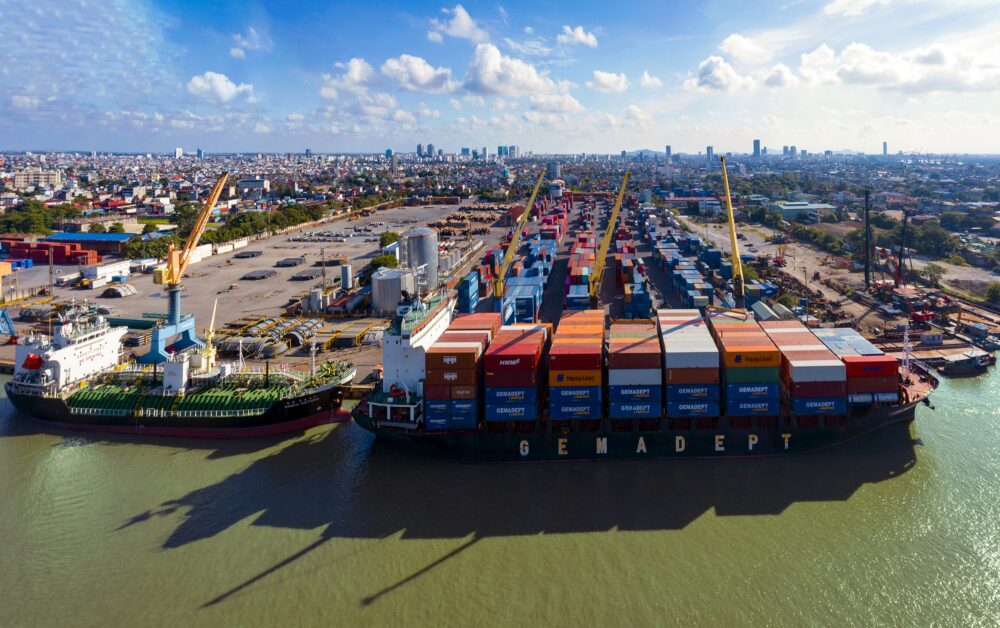
Vietnam's strategic location within Southeast Asia positions it as a linchpin for regional trade and economic activities. Bordered by China to the north, Laos, and Cambodia to the west, and flanked by the South China Sea to the east, Vietnam enjoys proximity to key ASEAN countries. This geographical advantage has transformed Vietnam into a bustling trade hub, facilitating the movement of goods, services, and investments throughout the region.
Over the recent period, there has been a swift and substantial development in transportation and logistics infrastructure. The country boasts a network of ports, including major ones in Ho Chi Minh City and Hai Phong, providing vital access for sea-borne trade. Furthermore, an extensive road and railway system connects Vietnam to neighboring nations, facilitating overland transportation. The ongoing development of highways, expressways, and railways continues to enhance the nation's connectivity and accessibility.
Vietnam's strategic location within Southeast Asia positions it as a linchpin for regional trade and economic activities. Source: haiphong.gov.vn
Vietnam as an Investment Hub and ASEAN Trade Facilitator
In addition to its geographical and transportation advantages, Vietnam's open-door policy and commitment to economic reforms have attracted an influx of foreign investment. During the year 2022, Vietnam attracted investments from 108 countries and territories, with Singapore leading the way by contributing nearly 6.46 billion USD, representing 23.3% of the total foreign direct investment (FDI) received by Vietnam during that period. The Republic of Korea ranked second, providing 4.88 billion USD, followed closely by Japan with an investment of 4.78 billion USD.
Vietnam's Trade Agreements in ASEAN and Across Border
Vietnam's Role in ASEAN Trade Facilitation
Vietnam's proactive engagement in trade agreements within the ASEAN region has fortified its position as a cornerstone for economic cooperation. The nation's commitment to regional economic integration and cooperation has opened doors to a multitude of opportunities for businesses and investors.
Vietnam's journey towards trade liberalization gained momentum with its entry into the ASEAN Free Trade Area (AFTA) in 1995. This crucial step paved the way for reduced tariffs and enhanced market access among ASEAN member states. AFTA has been a driving force behind increased intra-ASEAN trade, contributing to Vietnam's economic growth.
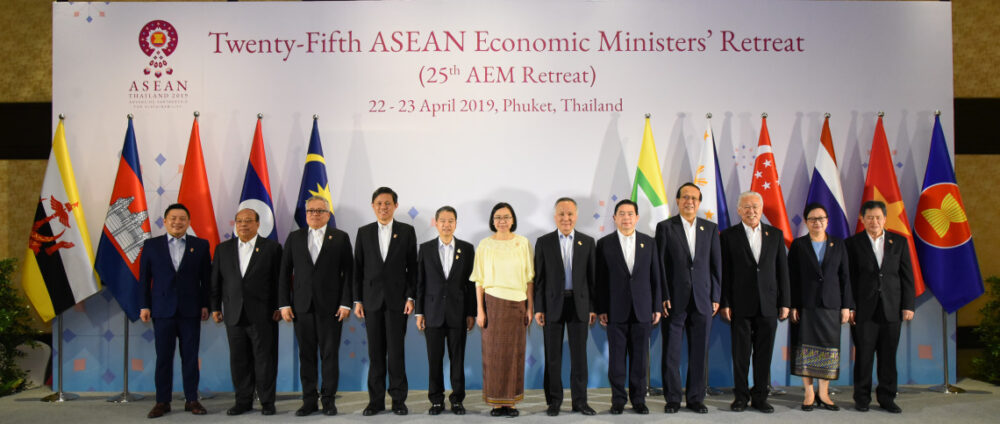
The establishment of the ASEAN Economic Community (AEC) in 2015 marked another milestone. AEC aimed to create a single market and production base within ASEAN. Vietnam actively participates in AEC initiatives, aligning its policies and regulations with regional standards. This alignment has streamlined cross-border trade, making it easier and more cost-effective for businesses to navigate the ASEAN market.
Furthermore, Vietnam's proactive leadership in regional trade initiatives, such as the Regional Comprehensive Economic Partnership (RCEP), bolsters its reputation as a pivotal player in shaping the future of intra-ASEAN trade. RCEP's ratification promises a new era of trade opportunities within the Asia-Pacific region.
Vietnam actively participates in AEC initiatives, aligning its policies and regulations with regional standards. Source: asean.org
Vietnam's International Trade Agreements
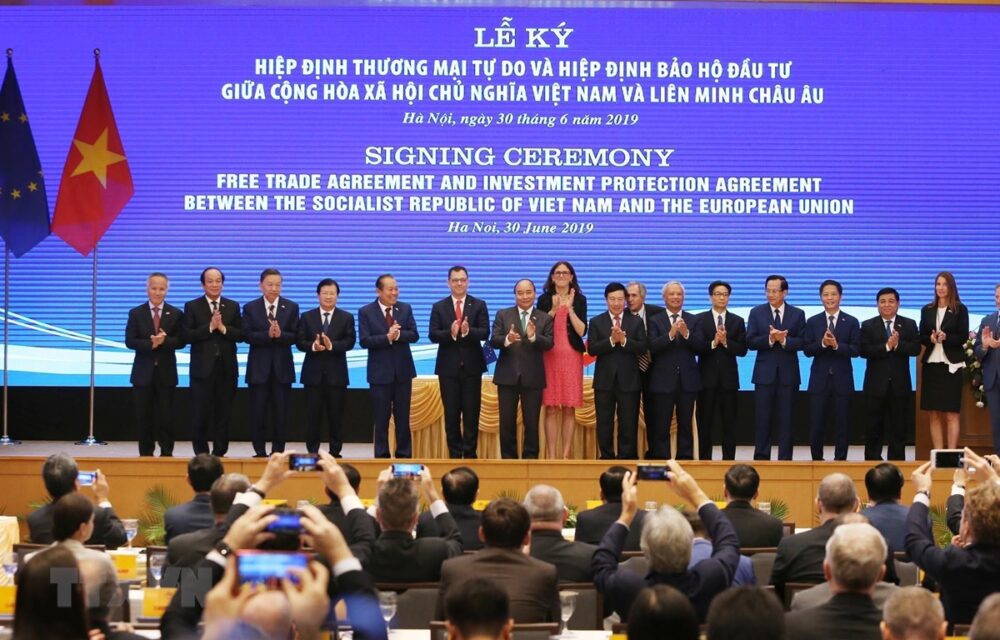
Vietnam's commitment extends beyond ASEAN, as it is a signatory to various international trade agreements. The Comprehensive and Progressive Agreement for Trans-Pacific Partnership (CPTPP) and the EU-Vietnam Free Trade Agreement (EVFTA) are prime examples. These agreements grant Vietnam preferential access to a vast network of global markets and contribute significantly to the nation's export-oriented economy.
Notably, Vietnam's stellar performance in implementing these trade agreements has led to substantial benefits. As of 2021, Vietnam's exports constituted 19% of its GDP, marking a significant rise from the less than 1 percent recorded in 2010. Remarkably, Vietnam's export sector has now outpaced that of Malaysia and Thailand, underlining its remarkable growth in international trade.
Vietnam's strategic involvement in trade agreements and partnerships, both regional and international, underscores its commitment to fostering economic integration and cooperation. These agreements have not only facilitated the movement of goods and services but also propelled Vietnam into the global trade spotlight. The nation's robust trade agreements present compelling opportunities for businesses and investors seeking to tap into the dynamic ASEAN market.
Vietnam's commitment extends beyond ASEAN, as it is a signatory to various international trade agreements. Source: TTXVN
Vietnam's Economic Cooperation and Investment Landscape
Vietnam's Investment Landscape within ASEAN
Vietnam's role as a beacon of economic cooperation within ASEAN extends beyond trade; it also encompasses investment and strategic economic partnerships. The nation's pro-business environment and strategic location have made it a magnet for foreign direct investment (FDI) from ASEAN countries and beyond.
Vietnam's investment landscape is an alluring canvas for ASEAN nations seeking lucrative opportunities. The country's thriving manufacturing sector, fast-growing technology hubs, and dynamic consumer market captivate the interest of regional investors. In recent years, Vietnam has been a top choice for ASEAN nations looking to expand their footprint. For instance, Singapore has consistently ranked as one of the largest sources of FDI in Vietnam, with investments spanning various sectors, including manufacturing, real estate, and finance.
Moreover, Vietnam's position as a manufacturing and export hub in ASEAN has attracted significant investment from countries like Japan, South Korea, and Taiwan. These investments, often in high-tech sectors, contribute to Vietnam's economic diversification and bolster its status as a regional economic powerhouse.
Regional Economic Collaboration and Influence in ASEAN
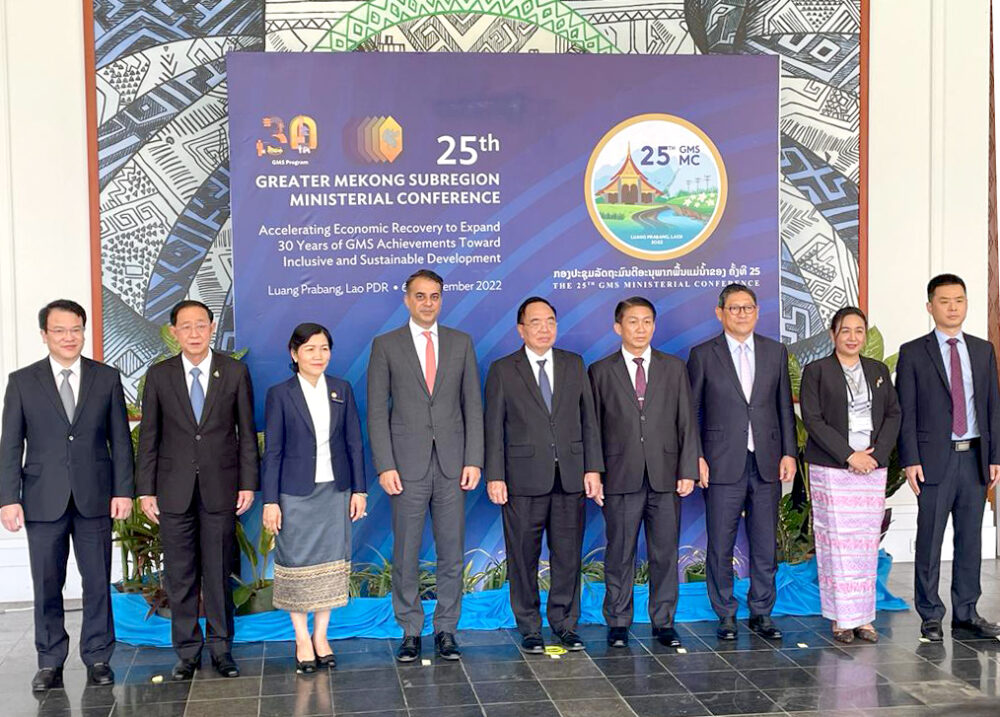
Moreover, Vietnam actively participates in regional economic cooperation projects, fostering synergies for collective growth. The ASEAN Single Window (ASW), a digital platform aimed at expediting customs procedures and trade facilitation, is one such initiative. Vietnam's seamless integration into ASW exemplifies its commitment to enhancing economic cooperation and streamlining trade processes among ASEAN nations.
The nation's pivotal role in the Mekong Subregion, where it collaborates with Laos, Cambodia, Thailand, and Myanmar, amplifies its influence. Initiatives like the Greater Mekong Subregion Economic Cooperation Program (GMS) promote sustainable development and infrastructure connectivity, driving economic growth in the region.
In conclusion, Vietnam's active participation in investment and economic cooperation initiatives within ASEAN underpins the region's shared prosperity. The nation's welcoming investment climate, dynamic sectors, and strategic collaborations fortify its position as a key player in regional economic development. For ASEAN nations and investors, Vietnam remains an enticing destination, offering a strategic gateway to a vibrant and interconnected Southeast Asian market.
Vietnam actively participates in regional economic cooperation projects. Source: mpi.gov.vn
Intra-ASEAN trade thrives thanks to Vietnam's pivotal role in the region. With its strategic location and active participation in trade agreements and economic cooperation, Vietnam has become an essential hub for business within ASEAN. As the region's economies continue to grow, Vietnam's significance in facilitating trade and investments remains on an upward trajectory. For those eager to explore the vast opportunities presented by intra-ASEAN trade, Viettonkin is your trusted partner. With our expertise in navigating the dynamic landscape of trade and investments in Vietnam and the ASEAN region, we invite you to connect with us. Let Viettonkin be your gateway to success in this flourishing market.
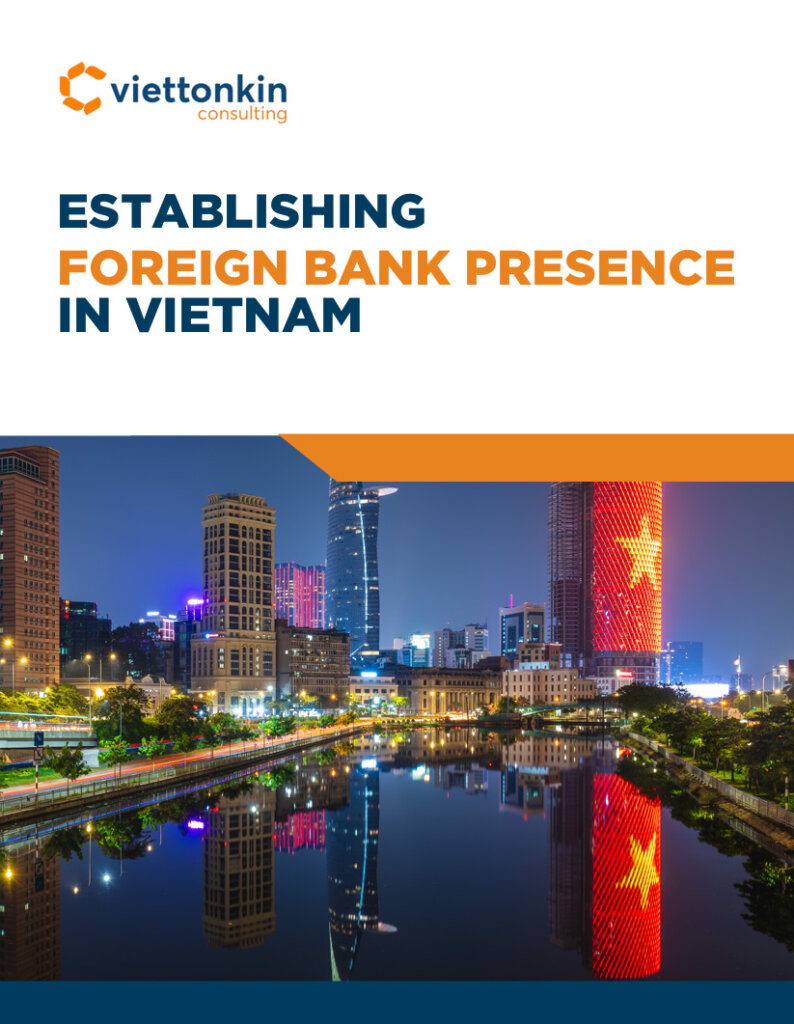
Entering Vietnam's Banking Market: Get Your Essential 2025 eBook
Vietnam's dynamic banking sector is a top destination for foreign investment. To succeed, you need a deep understanding of the local landscape, from new regulations to market entry models.
Our eBook, "ESTABLISHING FOREIGN BANK PRESENCE IN VIETNAM" gives you the crucial insights you need, including:
2024–2025 Sector Overview: Key economic and banking industry analysis.
Step-by-Step Entry Guidance: A deep dive into all primary market entry modes.
The Latest Legal Updates: Critical regulatory changes taking effect in 2025.
Smart Investment Strategies: Insights on M&A, strategic equity, and Fintech.
Download now for the expert knowledge to invest with confidence.
Entering Vietnam's Banking Market: Get Your Essential 2025 eBook
Vietnam's dynamic banking sector is a top destination for foreign investment. To succeed, you need a deep understanding of the local landscape, from new regulations to market entry models.
Our eBook, "ESTABLISHING FOREIGN BANK PRESENCE IN VIETNAM" gives you the crucial insights you need, including:
2024–2025 Sector Overview: Key economic and banking industry analysis.
Step-by-Step Entry Guidance: A deep dive into all primary market entry modes.
The Latest Legal Updates: Critical regulatory changes taking effect in 2025.
Smart Investment Strategies: Insights on M&A, strategic equity, and Fintech.
Download now for the expert knowledge to invest with confidence.
Founded in 2009, Viettonkin Consulting is a multi-disciplinary group of consulting firms headquartered in Hanoi, Vietnam with offices in Ho Chi Minh City, Jakarta, Bangkok, Singapore, and Hong Kong and a strong presence through strategic alliances throughout Southeast Asia. Our firm’s guiding mission is aimed towards facilitating intra-ASEAN investments and connecting investors in Southeast Asia with the rest of the world, thus promoting international business relationships and strengthening inter-nation connections.





 English